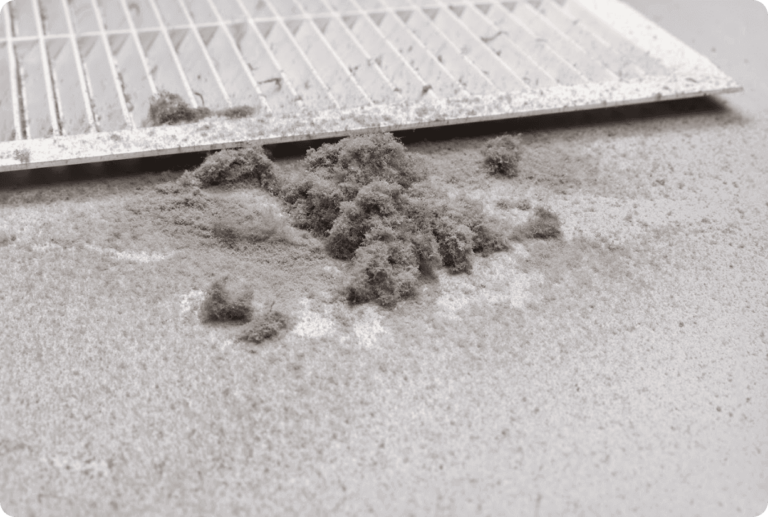
In this episode, we talk with Blue Ridge Heating & Air comfort specialist Brian Wilson about how to recognize ductwork problems and decide between cleaning, sealing, repair, and replacement. He explains how inspections and camera checks uncover leaks, debris, moisture damage, and deteriorating duct board, plus how proper filtration and air sealing can protect comfort, efficiency, and indoor air quality.
John Maher: Welcome to the Blue Ridge Heating and Air Podcast, where we help homeowners in upstate South Carolina and Western North Carolina make smarter, more confident decisions about heating, cooling, indoor air quality, and whole home comfort. Today I’m with comfort specialist Brian Wilson, and our topic is air duct cleaning versus duct replacement. Welcome, Brian.
Brian Wilson: Thanks for having me.
Signs Your Air Ducts Need Professional Attention
John: Absolutely. Brian, what are some warning signs that suggest that your home’s duct work needs professional attention?
Brian: Sometimes in a home application, critters will get into the duct work and tear it up. I’m not getting the right amount of air coming out of the duct work where it’s fallen apart or again, a critter came in and made a home in it. Or even smells. A critter gets in, a mouse gets in there and dies. So you can start with the duct cleaning or look to replace it, depending how bad it is. Sometimes it’s just removing whatever it is.
How Dust and Hidden Duct Leaks Affect Your Home
John: Can an accumulation of dust in your home be a sign that your ducts are dirty?
Brian: It’s a good possibility because now I’m pulling in dust and dirt from other locations. Or if you go into a crawl space or a basement and it’s nice and cool down there, that’s a good sign that duct work has leaked into those areas where instead of into the house.
John: Right. So you’re running your air conditioner and rather than it air conditioning your house, it’s air conditioning the crawl space.
Brian: Yeah, like I said, in the wintertime, it’s nice for the technician, but it’s not helping you in the hole.
How HVAC Technicians Evaluate Ductwork
John: Right. So how do you determine whether ducts should be cleaned or repaired or sealed up or maybe even ultimately replaced? What does Blue Ridge do when you get a call?
Brian: A lot of times when we’re out there doing…say if you’re a maintenance customer of ours or we’re doing a routine maintenance, we’re going in, we’re opening the system up. We’re looking to see what the system looks like. We’re looking at the indoor coil, the blower, taking pictures of it so we can show the customer what we’re doing, number one, and what we see. Customers aren’t opening this equipment up. They’re not going into their crawl space or into the attic to look at these things. So having eyes on it helps the customer be aware of what is going on and helps inform them what kind of system they have, how’s it running, how’s it working? And the technician can see, is there a lot of dust build up? Is there dirt getting in here? Or is insulation starting to get into the system where it came from another location instead of air coming from the house?
So the duct work is leaking, bringing in insulation from the attic, so to speak, or even the crawl space. So having a man in there looking at it can really be instrumental in taking care of that situation.
Camera Inspections and Professional Duct Cleaning
John: Can you send in any cameras or anything like that to really inspect the duct work where you might have to otherwise open up a wall or something?
Brian: Yes. Each technician has a camera that they can use. The technician sees the dirt. So now he’s going to go to expand his area. I’m going to start looking inside the supply ducts. What’s going in there? If you have children and stuff like that, stuff falls into the vents and the floors. So now they’re accumulating the toys, money, coins, pens. It’s amazing what you find in the duct work. So having those cameras to look down there so they can show the customer what’s going on.
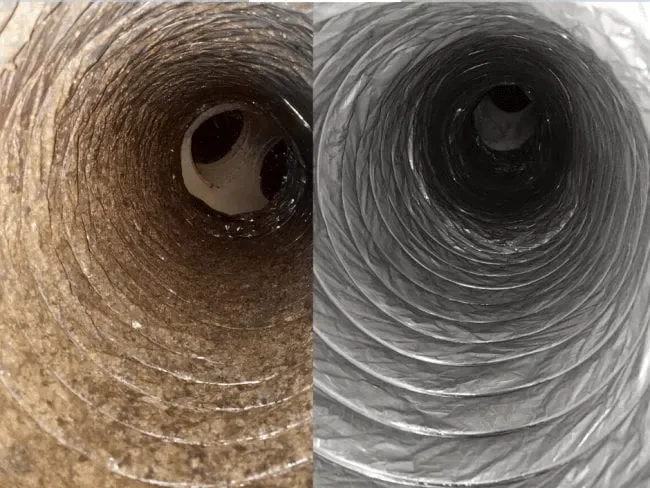
We go in there with a rotor brush. We start with the supplies. We go down back to the trunk line, cleaning them out. Then we go into where the unit is, open the trunk line and go down and clean that out. Most companies stop there. We go in, we clean the coil with that. We clean the blower wheel with that.
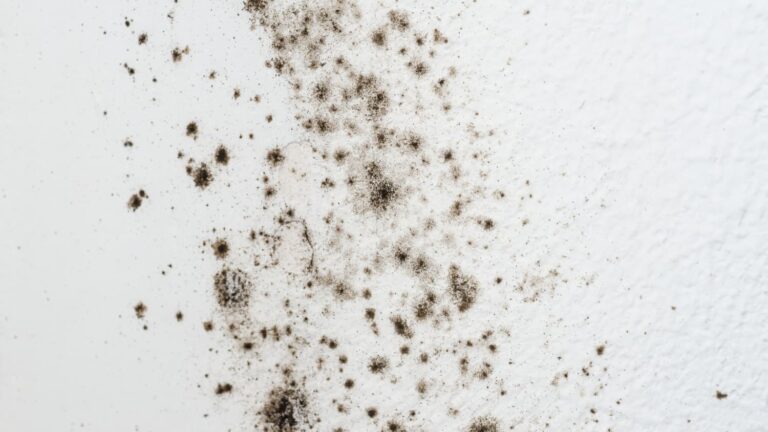
And sometimes we have to clean the inside of the cabinet where mold and mildew has started to grow. So it’s a much more detailed cleaning than from what I understand other companies do. And from what I’ve heard, we go the extra mile.
When Air Duct Replacement Is the Better Choice
John: Is there a point at which just cleaning the ducts is not really going to be enough and you might actually suggest doing a full duct replacement? And when would that be worth the investment?
Brian: There’s material out there. It’s called duct board. Over time, the moisture from the crawl space, it really weakens the sides of it where it starts to deteriorate. And when that happens, if we go in there with a brush, what we’re going to do is we’re going to tear the sides up. And where now when the blower comes on, you’re going to have fiberglass flakes, particles coming in through the duct work when the system is run. So at that point, it’s not good for you to breathe that stuff. It’s safe if it’s done right. But once it starts to deteriorate, it’s not good for the homeowner. It’s not good to breathe in. So at that point, you would look to replace the duct.
Preventing Future Duct Leaks and Moisture Damage
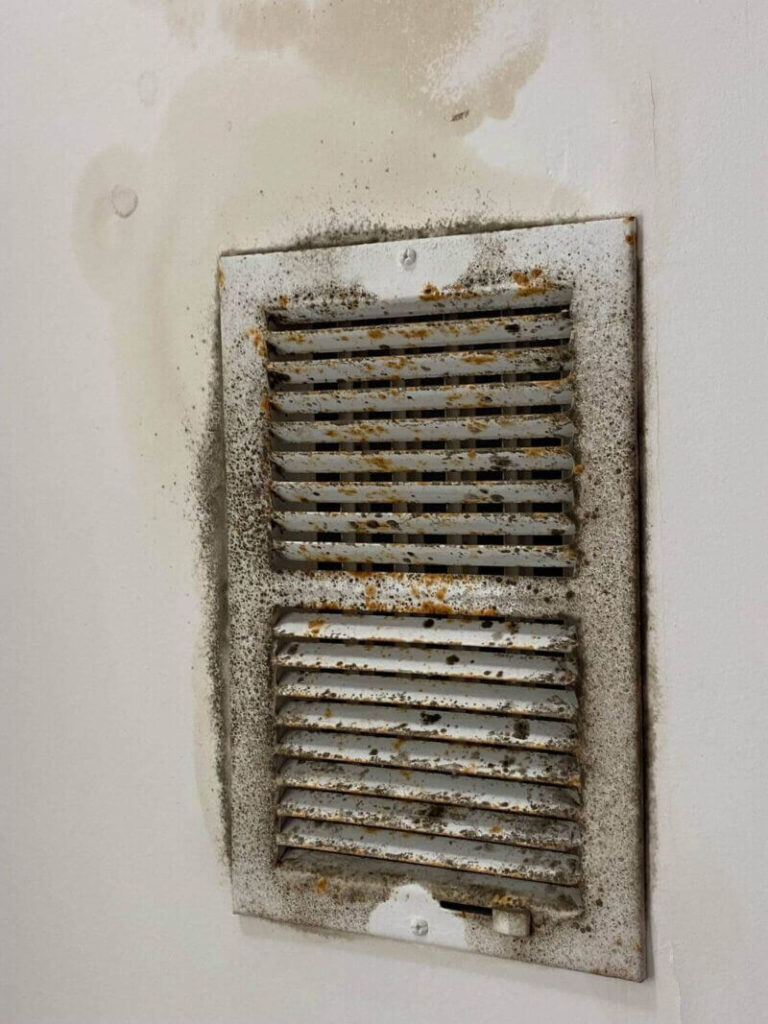
John: And how can homeowners avoid having to do something like replace their duct work by making sure that the underlying cause of the problem is corrected? If you have leaky ducts right now, maybe they’re getting moisture into them and it’s causing rust or something like that, you could go in there and you could clean it, but then you might be back again six months later and just be fixing the same problem again. What do you do to help prevent having to come back out and do the same type of cleaning over and over?
Brian: Starting off with the filtration system in the house, is the duct work sealed up in the house where I am just pulling air from that area? Am I pulling air from the crawl space or from the attic? Is the duct work sealed up where the seams or the connections are tight and sealed? Then we get into the equipment. Are there any openings around the refrigerant lines, the drain line, or even the electrical wires? Is the equipment sealed up? Duke Energy offers a rebate to seal the duct work up. So you’re just pulling the air from inside the house and putting it back in the house and you’re not pulling from any other area. So even with that, it could save you money and help you in the long term with your equipment.
John: All right. Well, that’s all really great information, Brian. Thanks again for speaking with me today.
Brian: Pleasure being with you. Thank you.
John: And for more information, you can visit the Blue Ridge Heating and Air website at blueridgeheatingair.com or call us in the Greenville, South Carolina area at 864 485-6509 or in the Brevard, North Carolina area, call 828-415-3339.