In this episode, Blue Ridge Heating & Air comfort specialist Brian Wilson explains why tightly sealed homes can trap pollutants and humidity. He discusses whole-home media filtration, MERV ratings, dehumidifiers, energy recovery ventilators, UV purification, duct cleaning, and duct replacement as parts of a complete indoor air quality strategy.
John Maher: Welcome to the Blue Ridge Heating and Air Podcast, where we help homeowners in upstate South Carolina and Western North Carolina make smarter, more confident decisions about heating, cooling, indoor air quality, and whole home comfort. Today I’m with comfort specialist Brian Wilson, and our topic is how to improve indoor air quality in a tightly sealed home. Welcome, Brian.
Brian Wilson: Thanks for having me.
Why Tightly Sealed Homes Can Trap Indoor Pollutants
John: Absolutely. Brian, why can indoor air quality become a concern during some long stretches of hot weather when people tend to close their windows and doors?
Brian: I think a lot of times when the house is all closed up, we get the VOCs or volatile air components, compounds that are being released into the house from the carpet, from the sheetrock, from curtains, and all those things, and even paint that we store in the house. So having the indoor air quality checked and monitored can help your health. So with that, there’s many different options that we can do to help the indoor air quality.
John: Right. So normally during the rest of the year, maybe you’re keeping…in the fall or in the spring, you have your windows open, you’re constantly getting new air coming in and the old air going out. And so you’re not having all of those kind of toxic fumes and things like that building up, but you’re saying during the summer when people are running their air conditioners, they’re just keeping everything closed up as much as possible, which is good for saving on energy, but it ends up building up these fumes and vapors and things like that inside the house.
Brian: Yes. There’s things like the UV lamps, the filtration, the ERBs, energy recovery ventilation systems that help that out.
Whole-Home Media Filters for Cleaner Indoor Air
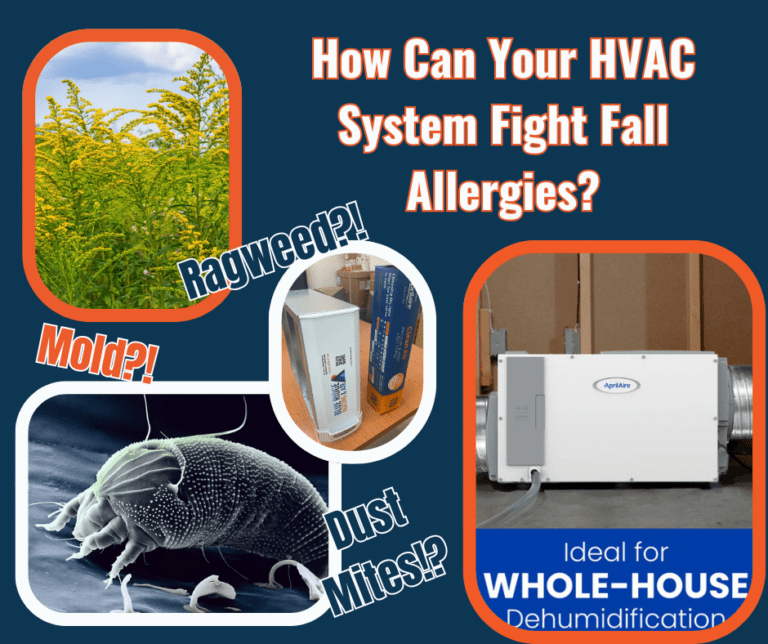
John: So one of the things that you can install is an AprilAire whole house media filtration system. How is that different from just having that sort of standard one-inch filter that most homeowners put on their HVAC system?
Brian: A lot of those filters catch some of the dust and dirt going into the system. The biggest cause, our biggest problem with a heating and air system, is dirt. Dirt getting on the motors, the fan coils, the fan, the blower, the coils, just stopping things up over time. So if you ever notice when you open your filter doors or change your filter, there’s dust behind the filter. So they don’t tend to catch 100% or even a majority of the dust. So a lot of it’s getting passed and into the equipment, into the duct work. So now we have dust and dirt in the duct work going back to the system. So what the media air filters do, and they are usually at the system, they’ll catch up to 93%, 96% of the dust and dirt before it gets into the system, causing the system to run harder or inefficient, costing more money for power.
So that’s why we’re very pleased and we’re very happy with the AprilAire media air filters. We usually install the MERV 11, which is very good. And then that goes up to MERV 13 or MERV 16. So there’s a lot of different things along those lines that help the system and help the home.
Understanding MERV Ratings and Filter Performance
John: And what do those numbers mean?
Brian: MERV is the minimum efficiency rating value. So the higher the MERV, the more it captures. But the thing about when it gets to MERV 16 filter, you have to change that more often. And it can catch up to 98% of the things in the house and even gets into viruses and other things that cause allergies and stuff like that. Dust mites, all these other things that it captures before it even gets into the system and it takes it away from the house.
John: And is that media filtration system, is that placed on the HVAC system instead of the standard filter or is it in addition to the standard filter? And does it go before or after the standard one?
Brian: If you have the standard system and you just stick with the MERV 8 filter, that deals with a lot of the dust and dirt before it gets into the duct system. Then you have the media air filter, which is attached to the furnace, the air handler, and it stops the dust from getting into the system. And that protects that. And then the air coming out of the system going back into the house is much cleaner.
Whole-Home Dehumidifiers for Comfort and Efficiency
John: One of the other things that people want to do is dehumidify their home. And of course, a central air conditioning system will do some dehumidification as well. That’s part of AC. But why would a house need a whole house dehumidifier rather than just relying on that air conditioner alone?
Brian: A lot of times you’ll have 65, 70 degree days, but it could be raining for a week or two. And you may not need your AC. So how are you going to get the humidity out of the house without running a machine to help remove that moisture from the house? The AC, do you run your temperature down to 65 just to help with dehumidification? Or do you have a dehumidifier to assist the AC on hotter days, and on cooler days remove that humidity from the house? And if you have a whole home dehumidifier that is attached to the duct system, bringing the blower on while you’re dehumidifying, that helps the whole house take care of that humidity issue.
John: Will the dehumidifier…will running that at the same time as the air conditioner actually help the air conditioner to run and make it run a little bit more efficiently as well because you’re helping it to remove some of that humidity from the air?
Brian: Yes, it will.
John: Okay.
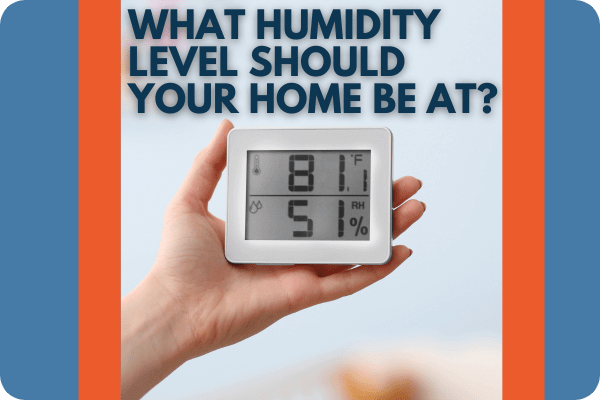
Brian: And if the humidity’s high in the house, it’s sticky and it’s very uncomfortable. But when I get that humidity out of the house, I can tend to have that temperature, rather than 72 degrees, I can have it at 75 degrees and still feel comfortable because I removed that sticky feeling and it’s real comfortable now. And with the humidity, let’s say the humidity is staying between 40 and 50 or 60 is the guidelines, 40 to 60. But if I’m down to 45, now I’m real comfortable. So I can have the temperature at, say, if I keep it at 72, usually now I’m at 75. I can keep it at 75, I’d be more comfortable. So now I don’t have to use the AC as much. I could save power there.
John: And a lot of people prefer that too in the summer. You’re already dressed in maybe shorts and a t-shirt or something like that. So getting it down to 70 degrees in your home can sometimes feel a little too cold and you have to put a sweater on. And who wants to be running their air conditioner and then have to wear a sweater in the middle of the summer?
Brian: Right. And then you go outside, you come inside. It’s 90 degrees outside. You come inside, you get that blast of cold air that hits you. It’s just because of the cooling or the humidity issue. So you try to make the house comfortable as best you can.
Energy Recovery Ventilators for Fresh Indoor Air
John: What is an ERV or an energy recovery ventilator? And for a homeowner who’s never heard of one, I know that you guys work with Broan energy recovery ventilators. What do those do?
Brian: Think of it as removing stale air and bringing fresh air in. So the house is closed up, or if you’re not even there for months, what it does is it brings fresh air into the house and it removes the stale air. So constantly doing that. And you can do it at a very low volume of air. And it has a core in there where it takes the air from the house and runs across the air coming in. So if it’s cold outside, I’m not bringing a blast of cold air into the house. Or if it’s hot outside, I’m not bringing that hot air in. I’m mixing it and tempering the air coming in with the air that’s going out. So it’s a real neat design that they made, the manufacturers made, to help that situation.
John: So that’s a situation where you can have your house kind of buttoned up nice and tight, keep those windows and doors closed, but still know that you’re getting some fresh air. Do you use those in conjunction with the media filtration system or is it kind of a one or the other?
Brian: You can use them both because it’s really the one takes care of pretty much the air in the house. And then the ERB has its own filtration system in it for the air that’s coming in. And then the air going out, you’re not really too worried about that. But you’re just taking that for return, a bathroom, a laundry room, something along those lines. Or even the kitchen for that matter, dumping that air outside and bringing the fresh air into mainly you can bring it into the bedroom, the bedroom duct work.
UV Purification, Duct Cleaning, and Duct Replacement
John: What are some other aspects of improving air quality in a home, such as UV purification, professional duct cleaning, and maybe even a complete duct replacement? How do those fit into the overall indoor air quality plan?
Brian: Well, let’s start with the UV lamp. The UV lamp sanitizes the air and we would place that UV lamp in the duct work. So when the blower’s running, the UV lamp tends to come on. There’s different ways of doing it, but the UV lamp comes on, sanitizing the air that’s going into the house. That’s one way. So then you get into the duct work. The duct work, is it sealed up? Am I just pulling air from the house? If the duct work’s in the crawl space, if it’s a leaky duct work, I’m pulling in the smells and things like that from the crawl space. I’m bringing in a damp smell into the house, into the duct work, and then into the house. So duct work is a major component. It tends to get overlooked. When you have a good duct system, it’s sealed tight, it’s insulated well.
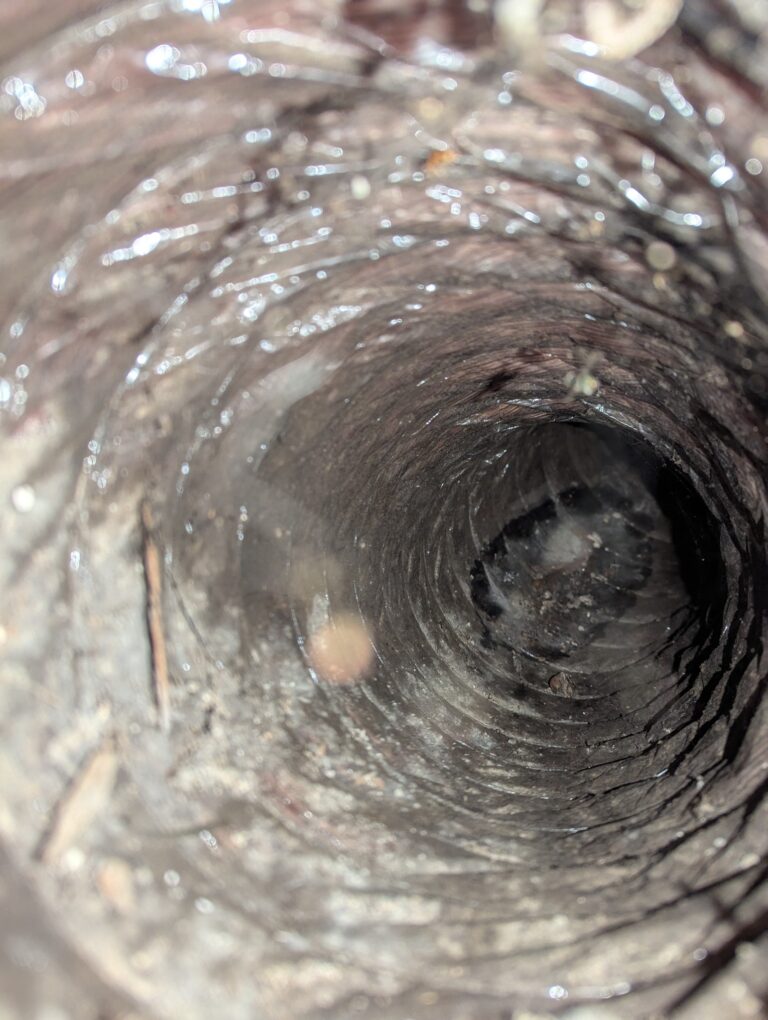
I don’t have a heat transfer in the duct work. I don’t have the moisture coming in from the crawl space or in an attic. I don’t have the hot heat coming through into the duct work, into the system, causing the system to work harder to cool that air in the attic that’s being leaked into the duct work and then pushed into the house. I think that if the duct work is good and clean even, things tend to go better. You breathe better. But once the duct work gets dusty and dirty or collapses because it aged, excess moisture, then you’re looking at cleaning it. If it’s so deteriorated, then you’re looking at replacing it. And sometimes it’s easier to replace it, seal it, and insulate it at one point rather than trying to repair the duct work that’s already there. It’s been there for 10, 20, 30 years when the house is built.
You may replace the system, but most of the time you won’t replace the duct work. But at some point due to age and deterioration, the duct work needs to be replaced. So you have to look at it that way. And each job is a different situation. Job by job, you have to look at it and see, can I do it? Is it cost-effective? And what does the homeowner want to do?
Real-World Benefits of Indoor Air Quality Upgrades
John: Have you had any situations where you’ve done an indoor air quality assessment for a homeowner and then come in, maybe cleaned the ducts, installed an AprilAire media filtration system, maybe the ERV as well? And maybe the homeowner was previously suffering from some allergies or things like that. And then afterwards you go back to the homeowner and they’re like, “Oh yeah, it’s made a huge difference in my life.” Do you have a story like that?
Brian: I don’t personally, but I know the guys have. They were amazed at how well they felt. The UV lamps, especially during COVID, they were selling like hotcakes. Everybody wanted one. And people say, “I can tell a difference in my house since you put in that UV lamp.” Or the filter, “since the filter’s been in the house, my house is nowhere near as dusty as it used to be.”
John: Oh yeah.
Brian: So it’s capturing the dust and they were very pleased. Sealing the duct. We have a house we were working on last week where in the attic, there was no insulation on the duct. So the duct was getting that heat. You could see the cold with the infrared camera. So we can see where it’s nice and cold and you go to the duct work and it was real hot. It was over a hundred degrees. So the attic was like 160 degrees. So the duct work, the return air was 109 or something like that. It was some stupid number, which should never be. So now that system has to cool that heat from the attic and dump it in the house. So the system’s not designed for that big of a load. So we will address that for this customer. We gave them ideas of what to do, how to fix it.
But you see a lot of that over different houses over time.
John: All right, well, that’s really great information, Brian. Thanks again for speaking with me today.
Brian: Thanks for having me. I appreciate it.
John: And for more information, you can visit the Blue Ridge Heating and Air website at blueridgeheatingair.com or call us in the Greenville, South Carolina area at 864-485-6509 or in the Brevard, North Carolina area at 828-415-3339.