Your Ultimate Guide to HVAC Red Flags: Sights, Smells, and Sounds
You might’ve heard strange noises coming from your HVAC system. Maybe it was a sudden clank, an eerie hiss, or a high-pitched squeal. But what are some of the other ways your system cries out for help?
Let’s break down both what you might hear and what you might see, feel, or even smell when your system needs professional attention.
🙉“What’s That Sound?” 🙉
1. Banging or Clanking
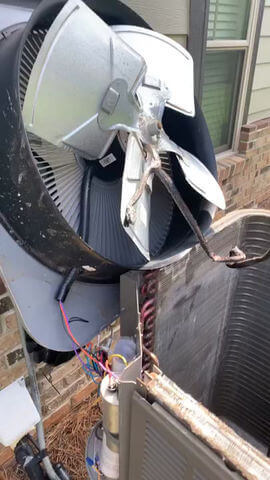
Loud, metallic sounds usually point to a loose or broken part inside the unit. It could be a blower wheel, motor mount, or even something inside the compressor. These components can break completely and lead to expensive repairs if left unchecked.
What to do: Shut down the unit and schedule a service call before the damage gets worse.
2. Hissing or Whistling
This typically means a refrigerant leak or leaky ductwork. Whistling could be from air escaping if there are cracks in the system.
Why it matters: Low refrigerant can damage your compressor, and duct leaks waste your money.
What to do: Call a licensed technician—these aren’t DIY fixes.
Want to know which HVAC tasks are safe for DIY?
3. Bubbling or Gurgling
A watery or airy noise usually signals air pockets in the refrigerant line, that you may be low on refrigerant levels, or it could also mean a clogged condensate drain.
Why it matters: This can lead to a compressor failure over time.
4. Clicking or Short-Cycling
While a clicking sound when your system turns on is normal, constant clicking or rapid cycling (starting and stopping repeatedly) helps to identify electrical problems or a malfunctioning thermostat.
Why it matters: This will wear out your system quickly and will lead to poor comfort control.
5. Screeching or Squealing
A high-pitched sound is often due to a worn belt, failing motor bearings, or a misaligned fan.
Why it matters: You can prevent a full motor or blower failure if caught early.
6. Total Silence
Sometimes the most alarming noise is no noise at all. A completely silent system could mean a blown fuse, tripped breaker, or something more serious like a failed capacitor or control board.
What to do: First, check your thermostat settings and circuit breakers. If everything looks fine, but it’s still not responding, it’s time to bring in the pros.
🙊“What’s That Smell?” 🙊
7. Strange Smells
- Musty: Likely mold or mildew inside your ducts or coils.
- Burning: Electrical issue or motor overheating.
- Sweet or Chemical: Usually a refrigerant leak.
🙈“What Am I Looking At?” 🙈
8. High Energy Bills
Have your utility bills skyrocketed even though your usage hasn’t changed? Your system might be running longer and harder than normal and is trying to give you a clue that there may be inefficiencies or mechanical issues.
9. Moisture, Leaks, or Ice on the Unit
Water pooling near your unit or ice on your outdoor coil could mean a number of things. It could be caused by a clogged drain line, low refrigerant, or airflow problems.
Why it matters: Moisture can lead to mold, and ice can damage coils and compressors.
10. Your System is 12+ Years Old
If your HVAC unit is over a decade old, it might be time to say your goodbyes if you’ve noticed any additional signs from this list. You may end up spending more money on repairs in the long-run than committing to a replacement.
🌬️ “Can You Feel It?” 💨
11. Weak or No Airflow
Your blower motor, filters, or ductwork may be clogged or failing if you’re feeling very little or nothing at all from your vents.
Why it matters: This can trigger overheating and reduces your system’s ability to heat or cool.
12. Uneven Temperatures
Is one room freezing and another is sweltering? Your HVAC system is likely unbalanced. This could be due to blocked vents, failing dampers, or an incorrectly sized system. (Bigger is not always better.)
Heating and Cooling Issues? Click Here!
The Smart Solution:
Prevent Problems Before They Start
Most of these issues are preventable with regular professional maintenance. Routine maintenance performed by certified technicians is the #1 way to avoid breakdowns and extend your system’s lifespan. According to the Department of Energy, regular tune-ups can improve efficiency by up to 30%. (U.S. Department of Energy)
That’s why we offer the Blue Ridge Heating and Air’s Comfort Plan. Our members enjoy:
- Two seasonal tune-ups per year
- Priority scheduling
- Repair discounts
- A longer-lasting, quieter system
Don’t wait until your HVAC system gives out in the heat of summer or the cold of winter.
Curious what working with us looks like?
Check out our case studies complete with photos and insights. See how real-life homeowners like you tackled HVAC challenges with help from Blue Ridge Heating & Air.
📞 Stay Safe. Stay Cool. Call Us Instead.
Call Blue Ridge Heating & Air.
Built on Trust. Powered by Comfort.
✅ Get a quote
✅ Get it done right
✅ Sleep better
📚 References
- U.S. Department of Energy. (n.d.). Home heating systems. Energy.gov. Retrieved July 2, 2025, from https://www.energy.gov/energysaver/home-heating-systems
![How Do Heat Pumps Work in Winter? [2025 Ultimate Guide]](https://blueridgeheatingair.com/wp-content/uploads/2025/09/5-2-768x332.png)