B elieve it or not, there are HVAC allergy solutions available today. If you are anything like me, you have a love-hate relationship with springtime. You love the fact that you no longer need a jacket, can enjoy the sun, seeing the grass turn back to green, and the trees and flowers bud. The outside air is so great that you can open the windows to your home…or at least you’d really like to. I suffer from seasonal allergies quite heavily in the spring, and this is after two regimens of allergy shots when I was younger. The reality is that Greenville, SC is a rough place to be in allergy season.
The Asthma and Allergy Foundation of America ranked Greenville as number 25 in their 2021 Spring Allergy Capital publication. https://www.aafa.org/media/2933/aafa-2021-allergy-capitals-report.pdf. Pollens from trees, grasses, and weeds cause common symptoms like sneezing, coughing, watery eyes, itching of the nose and eyes, and even headaches for some.
As tempting as it is to open those windows, step one to surviving spring allergy season is keeping them closed. Step two is setting your thermostat fan to “circulate” so that your blower will operate frequently to move the household air through your filter system.
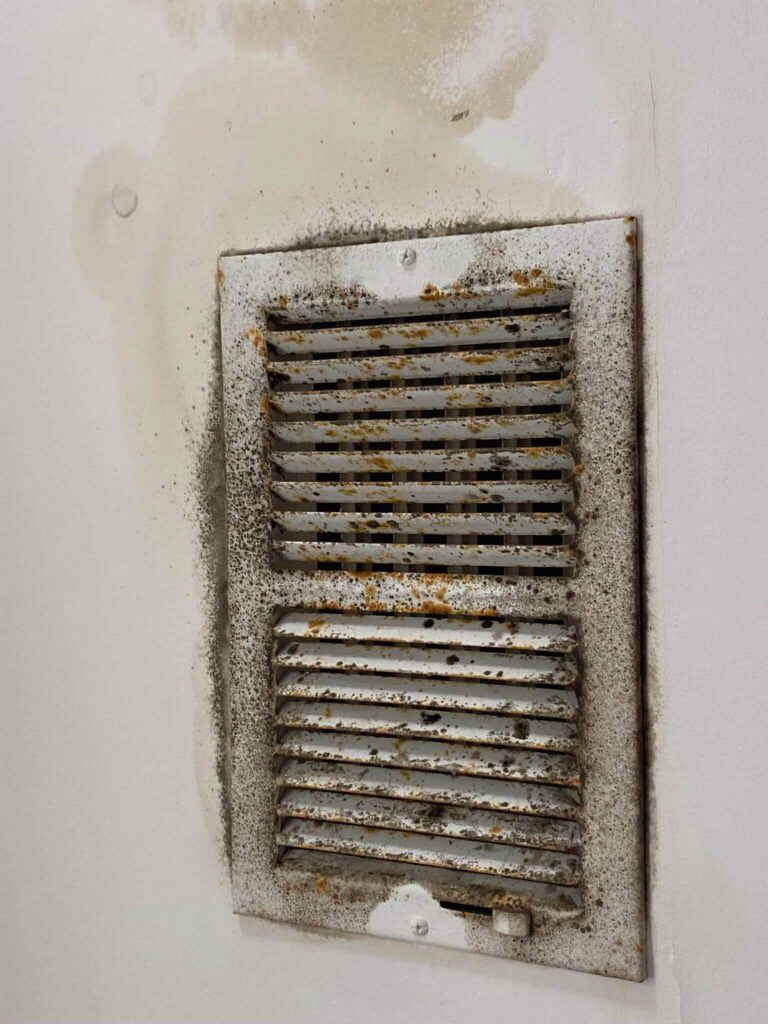
You most likely have a 1-inch filter in your wall or ceiling return grill. The lower end blown glass filters do nothing to help with allergies. A MERV16 filter is the level needed to capture the small pollen particulates. The downside of a 1-inch MERV16 filter is that they have a significant pressure drop across them and cause your system to work much harder. Over time, this shortens the life of your equipment. Also, up to 10% of the air traveling through your system can go around the edge of the filter. If you look at your return filter grill surfaces the next time you change the filter, you will most likely see dust build up between the outside edge of the filter and the inside surfaces of the housing.
 The solution that Blue Ridge Heating and Air recommends is a 4-inch filter which remains effective for 6-12 months. These filters are engineered to fit into an air cleaner box attached to the return by your indoor unit. The filters are available in four options based on your home’s needs: Clean Air (MERV11), Healthy Home (MERV13), Odor Reduction (MERV 13), and Allergy & Asthma (MERV 16). (MERV stands for Minimum Efficiency Reporting Value.) The higher the number of MERV, the better the filtration. This technology assures that no air will pass by unfiltered, keeping your home clean and your HVAC system operating at peak performance. Blue Ridge Heating and Air has an adapter that allows our preferred filter to be used in that box of any brand.
Our high efficiency filter system improves indoor air quality, airflow, and can extend the life of your heating and air system’s performance. According to https://www.energy.gov/energysaver/maintaining-your-air-conditioner, a clean and properly sized filter can reduce energy usage by 5%-15%.
Please visit our website at www.blueridgeheatingairbackup.punchlistdigital.website for more information about Engineered Comfort Solutions from Blue Ridge Heating and Air.