Why You Shouldn’t Repair Your HVAC System Yourself
Thinking of tackling your HVAC repairs after a few YouTube videos?
Before you grab that wrench or check out your system’s interior, you need to know what’s really at stake. From electrical hazards to wild animals, DIY HVAC repair can turn into a dangerous situation fast in the Carolinas. Here’s what every homeowner should know before taking HVAC maintenance into their own hands.
Heating and Cooling Issues? Click Here!
The Real Risks of DIY in HVAC
HVAC systems are complex machines that can be extremely dangerous to you and your property for the following reasons:
- Electrical Hazards: HVAC systems carry high-voltage electricity which could lead to severe injury or fire.
- Laceration Hazards: It’s not uncommon for people to get serious cuts and even infections from accidentally brushing against the metal edges of fan blades, fins, and sheet metal panels when working in cramped spaces.
- Refrigerant Exposure: Improperly handling refrigerants like R-410A or R-454B can be harmful to both humans and the environment, and is illegal to release without certification.
- Void Warranties: Warranties require professional maintenance. DIY work can void your warranty and leave you paying out-of-pocket.
- System Damage: A small mistake could lead to needing an even bigger (and more expensive) repair. Without the right training, you risk doing more harm than good.
🚫 What You Should Never DIY 🚫
If you’re not a certified HVAC technician, leave these tasks to the pros:
- Handling Refrigerants: Requires EPA certification and using proper tools.
- Electrical Repairs: Replacing capacitors, circuit boards, or wiring is high-risk.
- Ductwork Modifications: Poor design can reduce efficiency and worsen indoor air quality.
- Component Replacements: Blower motors, fans, compressors all require specialized knowledge.
✅ Safe HVAC Tasks for Homeowners ✅
There are a few DIY-safe maintenance steps you can take:
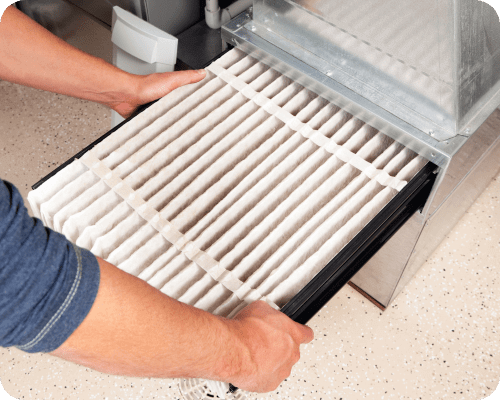
- Change Filters: Do this every 1–3 months to improve airflow and efficiency.
- Clear Debris Around Outdoor Units: You should maintain a 2–3 foot clearance around the unit.
- Check Thermostat Batteries: Ensure your system is communicating properly.
- Listen and Observe: Catch small issues like odd noises or smells early and call in a pro. Different sounds can tell you what might be the problem.
Want to learn more about HVAC lifespan, warning indicators, and when to upgrade?

True Tales from the Field: When HVAC Gets Wild
Copperhead Surprise in Brevard, NC 🐍
During a routine HVAC unit replacement, Derek and Ivan from our Brevard team moved the system to uncover several copperhead snakes seeking shade from the summer sun. After our guys safely removed the old unit (and the threat of snakes for the homeowner), they returned to the shop with the old unit. Only then did they discover one last snake had hitched a ride inside the unit and had made it into their truck!
Lesson: When your HVAC unit hisses, it might not be the refrigerant. HVAC units can become unexpected shelters for wildlife. Without proper training and caution, DIY maintenance can expose you to serious hazards.
Black Bear Lunch Theft in Cleveland, SC 🐻
While inspecting a customer’s unit, Cory was unknowingly being burglarized by an American Black Bear! Cory headed back to the van to grab more tools which is when he unnerved due to his lunch box missing, the van door opened, and general trash. Cory was concerned so he asked the customer if they saw or heard anything. After coming to the conclusion that both he and the customer had no idea what happened, they popped up the home security footage. They watched as a black bear casually opened the work van and helped itself to Cory’s lunch. Poor Cory was victimized by a hungry Black Bear!
Lesson: From tools to turkey sandwiches, everything is fair game in bear country. Our techs are trained to stay calm and safe in all situations. If you’re thinking about DIY’ing your HVAC system, look out for hungry bears!
🔧 Why Professional Maintenance Matters 🔧
Routine maintenance performed by certified technicians is the #1 way to avoid breakdowns and extend your system’s lifespan. According to the Department of Energy, regular tune-ups can improve efficiency by up to 30%. (U.S. Department of Energy)
Pro Tip: Join a maintenance plan like Blue Ridge Heating and Air’s Comfort Plan for scheduled tune-ups, priority service, and peace of mind.
DIY is great for many things, but HVAC isn’t one of them. Avoid costly (and potentially dangerous) mistakes by letting trained professionals handle your system with care.
Curious what working with us looks like?
Check out our case studies complete with photos and insights. See how real-life homeowners like you tackled HVAC challenges with help from Blue Ridge Heating & Air.
📞 Stay Safe. Stay Cool. Call Us Instead.
Call Blue Ridge Heating & Air.
Built on Trust. Powered by Comfort.
✅ Get a quote
✅ Get it done right
✅ Sleep better
📚 References
- U.S. Department of Energy. (n.d.). Home heating systems. Energy.gov. Retrieved July 2, 2025, from https://www.energy.gov/energysaver/home-heating-systems