5 Fall Home Projects to Pair with HVAC Maintenance
Fall is the perfect season for home upkeep. The weather is cooler, the pace slows down after summer, and it’s the ideal time to prepare for winter. While scheduling an HVAC tune-up is one of the smartest steps you can take, it pairs perfectly with other home maintenance projects that keep your home efficient, safe, and comfortable.
Here are five fall projects to add to your checklist—all of which work hand-in-hand with your seasonal HVAC maintenance.

🍂 1. Clean Out Gutters and Downspouts
When leaves fall, gutters quickly become clogged with twigs, dirt, and debris. This leads to water not being able to flow freely and affect your shingles, foundation, or even freeze into ice dams during winter. All of this puts your home at risk for roof leaks, basement flooding, and costly structural damage.
Clogged gutters can also impact your HVAC system, not just your roof. Overflowing water near the foundation can seep into crawl spaces or basements where HVAC equipment is often located, increasing the risk of rust, corrosion, and system damage. If you have a heat pump, keeping gutters clear ensures that drainage around the outdoor unit stays safe and dry.
Taking the time in fall to clean gutters and downspouts protects both your home’s structure and your HVAC investment. Adding gutter guards can also reduce future buildup and make maintenance easier year after year.
🍂 2. Add or Upgrade Attic Insulation
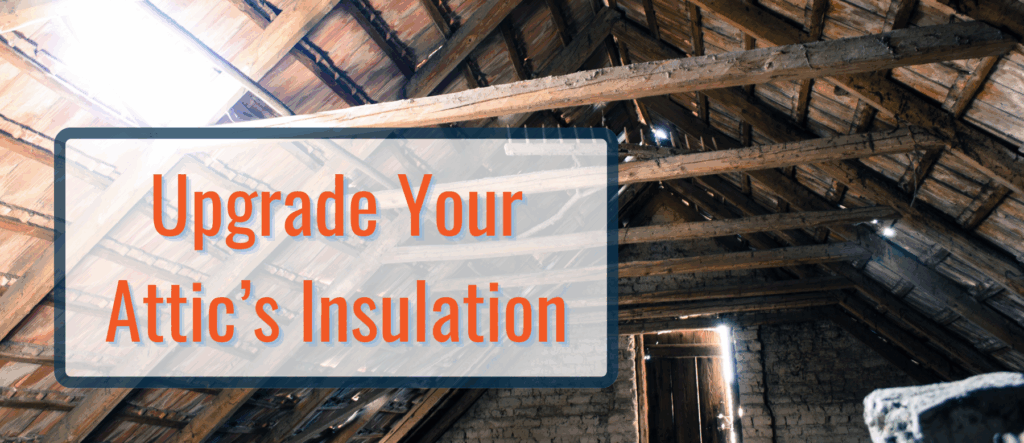
Even the most efficient HVAC system can struggle if your home is under-insulated. Heat naturally rises, and without adequate attic insulation, much of your warm air escapes straight through the roof. According to The Spruce, pairing insulation improvements with HVAC prep is one of the most effective ways to maximize comfort and reduce utility bills.
In fall, take time to inspect your attic insulation. If the insulation is below your floor joists or looks uneven, it’s probably time to add more. By upgrading insulation, you’ll reduce heat loss, lower energy demand, and help your HVAC system work less while keeping your home warmer.
Did you know?:
- A poorly insulated attic can result in as much as 25% heat loss during fall and winter. (Make Your Home Safer, n.d.).
- Cellulose insulation is made from up to 85% recycled material. (Greenfiber, n.d.).
- Wet insulation can lose up to 40% of its effectiveness. (FacilitiesNet, 2009).

🍂 3. Seal Windows and Doors
Drafty windows and doors are among the most common sources of energy loss in homes. As cooler weather arrives, those small leaks can make your home feel chilly and cause your HVAC system to work overtime. Sealing air leaks can save you up to 10% annually on heating and cooling costs. (ENERGY STAR, n.d.)
In fall, do a quick “draft test” by running your hand along window frames and door edges to feel for cool air. Solutions are simple and affordable: add caulk around window trim, apply weatherstripping to doors, or install door sweeps to block air at the threshold. For older windows, consider heavy curtains or plastic film insulation for extra warmth. These small steps can make a big difference in comfort and efficiency all winter long.

🍂 4. Prep Your Fireplace or Wood Stove
Few things are cozier than a crackling fire on a cold night, but fireplaces and wood stoves require upkeep to stay safe and efficient. Over time, creosote (flammable, tar-like residue) builds up in chimneys, which can become a major fire hazard if left unchecked. The Chimney Safety Institute of America recommends getting your chimney cleaned and inspected at least once per year (Chimney Safety Institute of America, n.d.). It’s another reason why fall is the perfect time before you light that first fire.
Even gas fireplaces benefit from annual inspections to check for leaks, cracks, and proper ventilation. Cleaning the glass, checking pilot lights, and ensuring proper airflow helps your fireplace run safely and efficiently. By handling these tasks in the fall, you can enjoy worry-free warmth when winter arrives.

🍂 5. Schedule Your HVAC Tune-Up
Fall is the perfect season for an HVAC tune-up, since demand is lower than during peak summer or winter months. During a tune-up, a trained technician can:
- Inspect and clean coils, burners, and blowers
- Check refrigerant levels and safety systems
- Ensure safe furnace or heat pump operation
- Spot worn parts before they fail
- Optimize airflow and thermostat calibration
It’s a small investment that pays off in energy savings, fewer breakdowns, and peace of mind all season long.

At Blue Ridge Heating and Air, we make staying on top of maintenance simple with our Comfort Maintenance Plan, which includes:
- Two system tune-ups per year (one before summer, one before winter)
- Priority scheduling during peak seasons
- Repair discounts to save money if issues arise
- Peace of mind knowing your system is protected and maintained by trusted local professionals
For homeowners, scheduling a professional inspection each fall is one of the smartest seasonal investments you can make. It protects your comfort, your budget, and your peace of mind all winter long—while supporting a local team that’s here for you year after year.

✅ Fall: The Perfect Time to Get Ahead
Fall home maintenance is about working smarter, not harder. When you pair your HVAC tune-ups with other seasonal projects like cleaning gutters, sealing leaks, insulating, and prepping your fireplace, you protect your home, save money, and enjoy a worry-free winter.
Heating and Cooling Issues? Click Here!
Curious what working with us looks like?
Check out our case studies complete with photos and insights. See how real-life homeowners like you tackled HVAC challenges with help from Blue Ridge Heating & Air.
📞 Need an honest review of your system’s performance?
Schedule a free comfort consultation with us today—no pressure, no pushy sales tactics. Just good folks helping you stay cool and save money.
✅ Get a quote
✅ Get it done right
✅ Sleep better
📚 References
- Chimney Safety Institute of America. (n.d.). Homeowner FAQs. https://www.csia.org/faq.html
- ENERGY STAR. (n.d.). Seal and insulate. U.S. Environmental Protection Agency & U.S. Department of Energy. https://www.energystar.gov/saveathome/seal_insulate
- FacilitiesNet. (2009, September 1). Wet insulation decreases a building’s R-value, thermal efficiency. FacilitiesNet. https://www.facilitiesnet.com/energyefficiency/article/Wet-Insulation-Decreases-a-Buildings-R-Value-Thermal-Efficiency–11047
- Greenfiber. (n.d.). What makes cellulose a sustainable option? Greenfiber. Retrieved September 29, 2025, from https://www.greenfiber.com/blog/what-makes-cellulose-a-sustainable-option
- Make Your Home Safer. (n.d.). How much heat is lost through the attic? Make Your Home Safer. https://makeyourhomesafer.com/how-much-heat-is-lost-through-the-attic/