Why Furnaces Crack Their Heat Exchangers And How You Can Avoid It
Your furnace works hard for you, day after day, night after night. One of the most serious problems we see is a heat exchanger that’s cracked or failing. We’ll walk through why heat exchangers crack, how to spot the warning signs, and what you can do to prevent it.
What’s the Purpose of the Heat Exchanger?
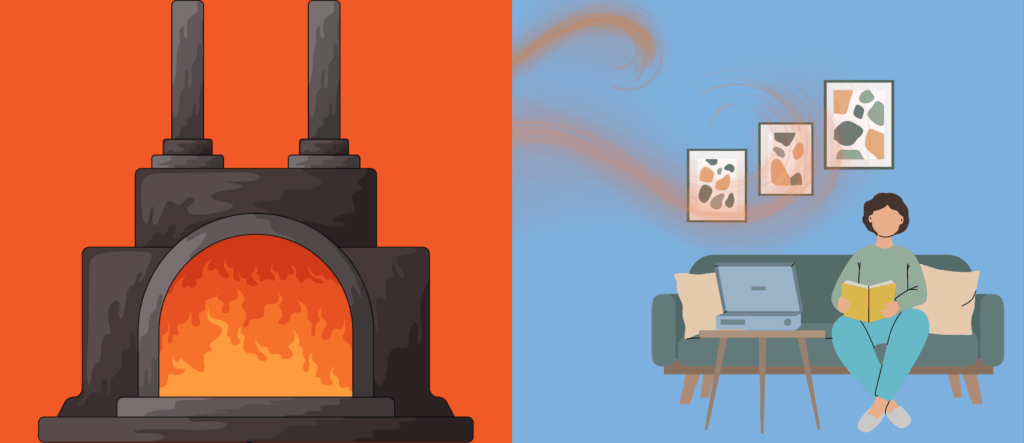
The heat exchanger’s job is to let combustion gases work their magic, transfer heat into your home’s air without letting those gases leak into your living space. Over time, though, that steel can wear out making tiny cracks become big risks.
With every heat cycle, the furnace fires up, the metal heats, it expands; then it cools and contracts. Rinse and repeat for years. That cycle of expansion and contraction naturally stresses the metal. Add in overheating, restricted airflow, moisture, rust, and suddenly you’ve got trouble.
Here’s a breakdown of the most common causes we see:
Improper Sizing or Installation
If the furnace is oversized, it might heat the space too fast then shut off (we call that short‑cycling). Those frequent on/off swings add extra stress to the heat exchanger.
Age/Wear and Tear
A furnace that’s been in service for 10-20 years has put in a lot of work. By that point the heat exchanger’s already been through thousands of cycles.
Overheating From Poor Airflow
That might sound technical, but it’s easier to imagine than you might think. A clogged air filter, blocked return vents, furniture over registers, or a furnace that’s simply too big for your home can all restrict the airflow, cause the unit to work harder, run hotter, and stress that steel shell.
Corrosion & Rust
Especially with high‑efficiency furnaces, moisture is part of the process. If it isn’t drained or vented properly, that moisture can sit, rust develops, the metal weakens, and crack risk goes up.

Signs Your Heat Exchanger Might Be Cracking
It’s not always easy to detect a failing heat exchanger, which is why annual professional inspections are critical. Some signs include:
- Visible cracks, holes, or rust
- Unusual smells or soot near the furnace
- Frequent headaches or flu-like symptoms in the household
- CO alarms going off
- Water or light passing through the heat exchanger
Technicians may also check CO levels in your exhaust or supply ducts to confirm a problem.
Want to learn about even more red flags that you should be aware of? Check out this blog post:

What To Do & How To Prevent It
The good news? Many of the risks to a heat exchanger can be managed with smart care. Here’s what you can do:
If your system is older, consider upgrading. A heat exchanger that’s 15+ years old, showing signs of wear or operating inefficiently may be better off replaced than patched. A new furnace offers better efficiency, stronger safety features, and longer peace of mind.
Change your filters regularly. Simple, right? But it’s one of the most effective ways to maintain airflow, avoid overheating, and keep your furnace running smoothly.
Schedule an annual inspection. Have an HVAC professional check your furnace before the heating season. They’ll review airflow, venting, burner condition, flue operation: things you might not even notice.
Want someone to take care of maintenance for you?
Ensure proper sizing and installation. If you’re replacing your system, make sure the equipment matches your home size, duct design, and climate conditions.
Keep vents and returns clear. Don’t block return air with furniture; keep air pathways open so the furnace can breathe.

Final Thoughts
Think of your furnace like a trusted sidekick: it doesn’t call attention to itself when it’s doing its job, but when something starts to fail, you feel it. A cracked heat exchanger might begin quietly, but the risk doesn’t stay quiet for long. Carbon monoxide leaks, compromised safety, higher repair costs are all part of the story.
If you’re seeing warning signs, or if your furnace is getting aged and worn, let us take a look. We believe in helping you make the best decision, not just the quickest fix. We’ll inspect, we’ll explain, and we’ll guide you toward a solution that works for your home and your budget.
Heating and Cooling Issues? Click Here!
Curious what working with us looks like?
Check out our case studies complete with photos and insights. See how real-life homeowners like you tackled HVAC challenges with help from Blue Ridge Heating & Air.
📞 Need an honest review of your system’s performance?
Schedule a free comfort consultation with us today! No pressure, no pushy sales tactics. Just good folks helping you stay comfortable and save money.
✅ Get a quote
✅ Get it done right
✅ Sleep better