As temperatures continue to soar in the summer, you may find that your air conditioner is having a harder time handling the extra load. AC not keeping up in extreme heat is a common problem for many upstate South Carolina and western North Carolina homeowners, but it doesn’t necessarily mean you need a new unit.
Here’s what to know about how air conditioners work, what you can do to help your equipment on hot days, and signs you really might need a replacement.
Air Conditioner Limitations
Many people don’t know that air conditioners have cooling limits. Generally speaking, an AC can only keep your indoor temperature about 20 degrees below the temperature outside. So if it’s 90 degrees outside, the coldest your home will get is 70 degrees.
If it’s 105 degrees outside, your home will realistically be around 85 degrees. This is true no matter what kind of unit you have or how new it is.
Other Reasons Why Your AC Isn’t Keeping Up in Extreme Heat
Fortunately, air conditioner design isn’t always the issue. Sometimes, other things contribute to why your AC isn’t managing the heat load in your home. This is more likely to be the case if your home is more than 20 degrees warmer than outdoor temps.
Here are some of the most common things that cause an air conditioner to struggle more in the summer:
Inadequate Airflow
Pet hair, dust, and debris can easily clog your filters and your air return, preventing air from flowing freely throughout your system.
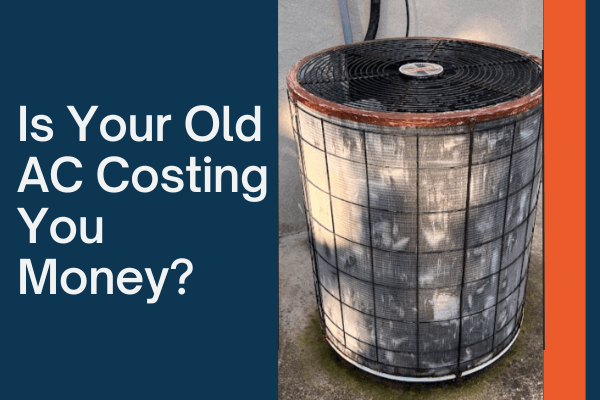
Dirty Coils
Air conditioners have two sets of coils: one indoors and one outside. These trap mold, pollen, dust, and other particles. While this helps keep your air fresh and clean, buildup over time can cause them to become blocked. Like dirty filters, this prevents air from flowing through your system and causes heat to become trapped.
System Age
Systems that are over ten years old or that haven’t had good maintenance over time just don’t work as efficiently as new and well-serviced units.
Read More: Is Your Old AC System Costing You Money?
Low Refrigerant
If you have a refrigerant leak in your system, there may not be enough left for adequate heat exchange. This means your AC can only absorb so much heat from your house, which translates to reduced cooling output.
Read More: Is Your New Home’s AC System Ready for the Heatwave?
Simple Things to Check Before Calling an HVAC Professional
Your Thermostat
Make sure your thermostat is set to “COOL” and not “AUTO.” You may also want to replace the batteries if your existing ones are more than six months old.
Your Filters and Air Return
If you have a disposable filter, you can simply replace it with a new one. If you have a mini-split, you can take your filter out and rinse it clean. You should also sweep your air return regularly and avoid letting the surrounding area become cluttered.
Your Outdoor Unit
Your air return isn’t the only part of your system that can get clogged. If your outdoor unit is covered in dead leaves, live foliage, or other debris, the hot air being released from your system has nowhere to go. Make it a point to check your condenser regularly to make sure it’s clear.
How to Keep Your Home Cooler When Your AC Is Lagging
If you’ve checked everything and aren’t finding any issues, it could just be that it’s too hot outside. In that case, there are some easy things you can do to reduce the load on your air conditioner and make your home feel cooler:
Avoid running heat-generating appliances during the hottest parts of the day.
Try to cook foods in the microwave instead of on the stove and hang your clothes out to dry rather than running the dryer. Or, just wait to use these appliances until the evening after the sun has set.
Cover windows that face the sun.
Solar heat gain can be a major contributor to indoor heat. Draw the curtains on east-facing windows in the morning and west-facing windows in the late afternoon.
Run fans throughout your house to help pump cool air.
A simple box fan can work wonders when you set it near a vent. It will draw out the cool air and distribute it through your home, reducing the amount of work your AC has to do to blow conditioned air.
Need AC Service in Upstate South Carolina or Western North Carolina? Contact Blue Ridge Heating & Cooling Now
When your air conditioner isn’t keeping your home cool, a professional assessment is always a good idea. Our team can come to your Greenville, SC, or Brevard, NC, home to check out the problem and recommend a fast, affordable solution. Contact us today at (864) 465-8730 (South Carolina) or (828) 372-5324 (North Carolina) to get started.