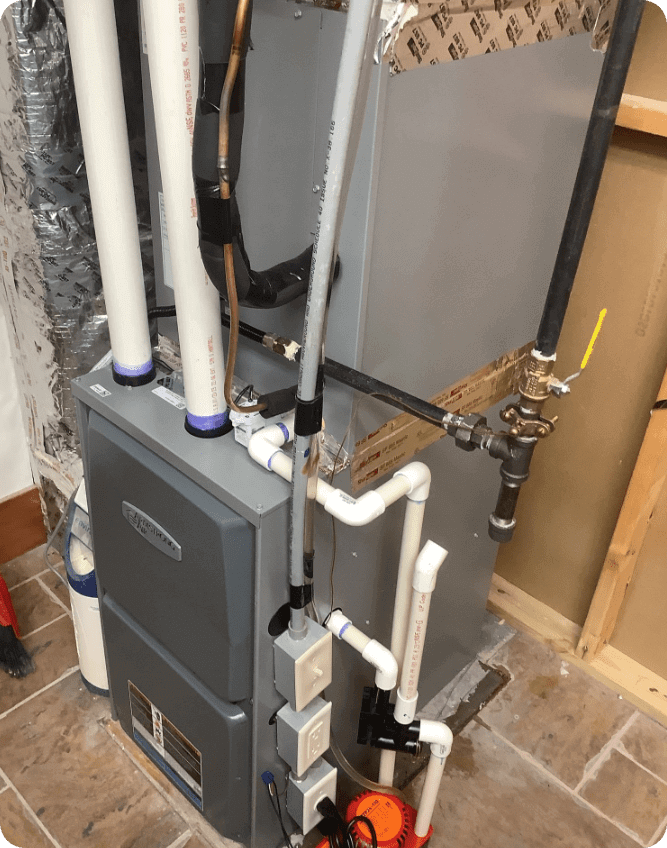
Seminar Throwback: ArcticFlex Heat Pump Technology and Performance

“Every accomplishment starts with the decision to try.” — John F. Kennedy
In regions where winters are cold and unpredictable like the North Carolina mountains or the South Carolina valleys, selecting the right HVAC system matters more than many homeowners realize. Heating inefficiencies can be costly, especially when outdoor temperatures drop below freezing.
This is where the ArcticFlex heat pump enters the conversation.

What Is the ArcticFlex Heat Pump?
The ArcticFlex is a central heat pump system that stands out because it was originally engineered for Canada’s climate. Its performance standards go well beyond typical heat pumps used in the U.S.. It’s uniquely capable of operating efficiently during prolonged cold spells as low as -22°F without relying on a traditional electric heat strip backup.
It’s part of the MoovAir product line, manufactured by Midea (an HVAC company with more than 70 years of experience producing heating and cooling equipment).
“We’ve been running one in our shop for months now. It’s passed every stress test we’ve thrown at it.” — Pete Threlkeld, Blue Ridge Heating & Air

Why Cold Climate Heat Pumps Matter
Traditional heat pumps typically lose efficiency around 40°F. Below that, they rely on auxiliary heat (like electric resistance heat strips), which can significantly increase energy usage. Backup systems like these can draw more than twice the energy per unit of heat compared to when the heat pump is operating at efficiency (U.S. Department of Energy, n.d.).
The ArcticFlex uses Heat+® technology, allowing it to maintain 100% of its heating capacity down to 4°F and operate down to -22°F without electric heat strips.
Modulating Compressors and Efficiency Explained
Unlike single-stage systems that are either “on” or “off,” ArcticFlex uses a modulating inverter compressor. This means the system adjusts its output based on your home’s actual heating or cooling demand. Just like when you’re driving a car with cruise control, it has a smooth acceleration with no harsh stops.
This reduces:
- Energy use during mild weather
- Wear and tear from start-stop cycles
- Temperature fluctuations
It also improves comfort by maintaining steadier indoor temperatures, even during rapid outdoor temperature swings.
How Inverter Technology Changes the Game
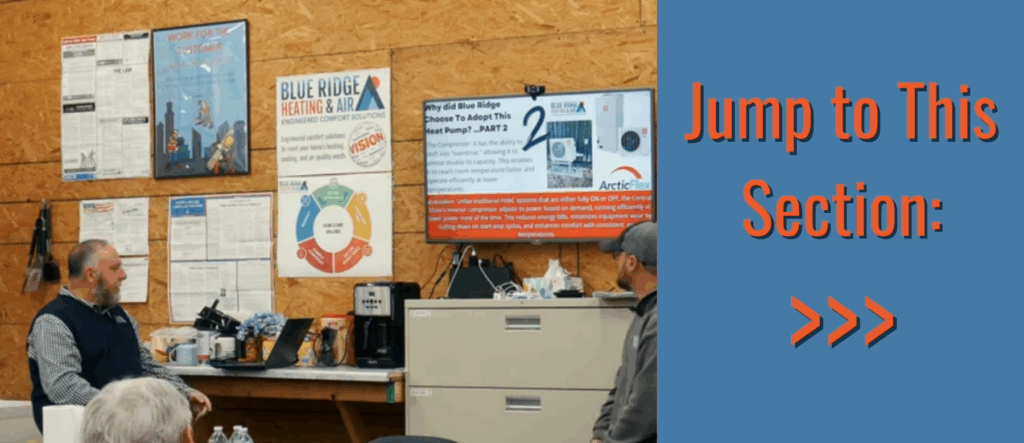
One of the defining features of the ArcticFlex heat pump is its modulating inverter compressor. Unlike traditional systems that are either fully on or off, inverter-driven systems adjust their speed to match your home’s heating or cooling needs in real time. This improves energy efficiency, reduces noise, and helps the unit maintain a more stable indoor temperature.
“Unlike traditional heating and air conditioning systems that are either fully on or off, the ArcticFlex has the inverter compressor and it adjusts its power based on demand.” – Pete
By running longer at lower power levels instead of cycling on and off, inverter systems help lower utility bills and minimize wear on key components, potentially extending the system’s overall performance life.
Key System Features:
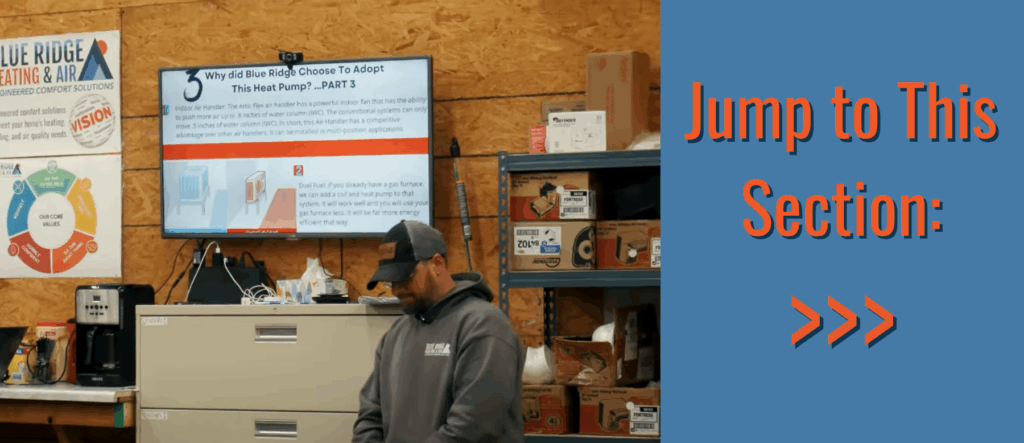
1. High Static Pressure Airflow
The ArcticFlex air handler pushes up to 0.8 inches of water column (IWC), compared to the 0.5 IWC typical of conventional systems. This means better airflow in homes with long duct runs or less-than-ideal layouts.
2. Smart Thermostat Compatibility
It works with most 24-volt thermostats, including Ecobee and Honeywell T10, and includes built-in dehumidification controls which are helpful in the Southeast’s humid climate.
3. Quiet Operation
The system operates at a 57dB decibel rating (about as loud as a quiet conversation) which is significantly quieter than many legacy systems.
4. Maintenance Smart Design
It helps prevent common winter operation issues like ice buildup or drain clogs with features like a heated base pan and a self-cleaning fan (occasionally reverses to remove debris).
Need help? Our Blue Ridge Comfort Plan includes two annual tune-ups, priority scheduling, repair discounts, and more to protect your HVAC investment.

The Refrigerant Question: R-410A vs. R-454B
The ArcticFlex heat pump currently ships with R-410A which is still widely used but being phased out through 2036 for R-454B, which has a 78% lower Global Warming Potential (GWP). This does not mean the system is at risk of becoming obsolete. R-410A refrigerant will remain available for service and repairs for years to come.
Want to learn more about the 410A refrigerant phaseout?
Real-World Application: A Customer’s Perspective
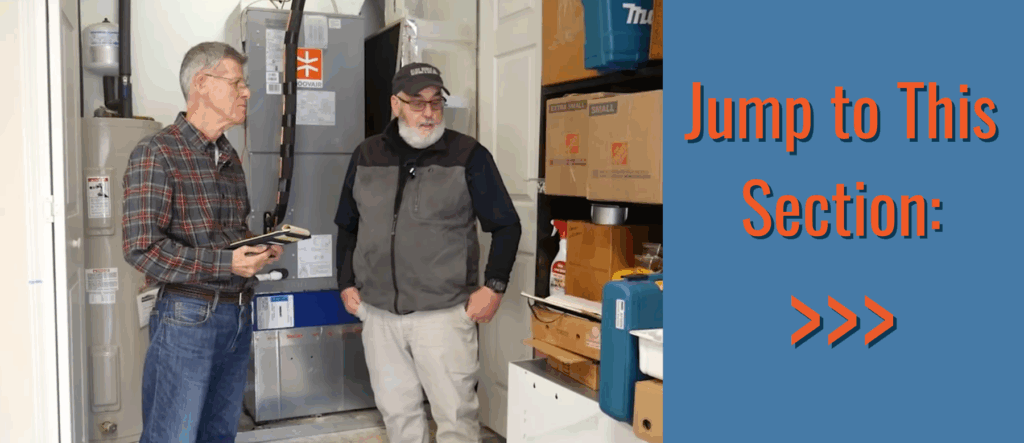
One local homeowner who replaced a two-stage heat pump with the ArcticFlex reported:
“This one is head and shoulders above any heat pump system I’ve ever had… It heats more evenly, with less noise, and maintains the temperature better.”
Notably, the install didn’t require any duct modifications. For homes already equipped with central HVAC, ArcticFlex can often be retrofitted with minimal changes.

Financial Considerations: Efficiency and Rebates
While exact pricing can vary by region and installation complexity, the ArcticFlex fits into a mid-range cost bracket relative to SEER ratings:
- Duke Energy also offers up to $900 in rebates for qualifying systems in both North and South Carolina.
- Up to 18 SEER2 and 10 HSPF2, putting it well above minimum efficiency standards for federal tax credit eligibility.
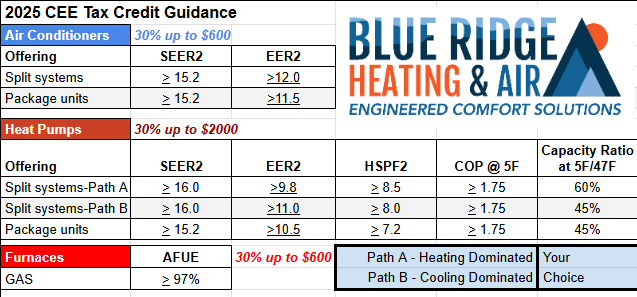
- Models between 1.5 and 3 tons qualify for up to $2,000 in federal tax credits (Internal Revenue Service, 2023).
Heat Pump Lifespan and Maintenance
Heat pumps typically last 10–15 years, depending on usage and maintenance. At Blue Ridge, we emphasize preventive care. Routine maintenance can:
- Reduce the risk of major failures by up to 95% (ASHRAE, n.d.)
- Improve system efficiency by up to 30% (U.S. Department of Energy, n.d.)
Proper filter use and annual tune-ups are critical to extending lifespan and maximizing performance.

Final Thoughts
ArcticFlex is a thoughtfully engineered response to real climate challenges. For homeowners seeking year-round comfort, especially in colder climates or regions prone to sub-freezing nights, it offers a proven, reliable solution backed by modern technology.
If you’re exploring your options for a new HVAC system and want to understand what’s best for your home (not just what’s newest) we’re here to help. Blue Ridge Heating & Air has installed and tested these systems firsthand, and we’re always ready to share our findings.
Heating and Cooling Issues? Click Here!
📞 Ready to feel the difference in your own home?
Schedule a free comfort consultation with us today. No pressure, no pushy sales tactics. Just good folks helping you stay informed and save money.
✅ Get a quote
✅ Get it done right
✅ Sleep better
References:
- American Society of Heating, Refrigerating and Air-Conditioning Engineers. (n.d.). ASHRAE preventive maintenance guidelines. https://www.ashrae.org/
- Internal Revenue Service. (2023). Energy efficient home improvement credit (Form 5695). U.S. Department of the Treasury. https://www.irs.gov/credits-deductions/energy-efficient-home-improvement-credit
- U.S. Department of Energy. (n.d.). Heating and cooling. Office of Energy Efficiency & Renewable Energy. https://www.energy.gov/energysaver/heating-cooling
- U.S. Department of Energy. (n.d.). Heat pump systems. Office of Energy Efficiency and Renewable Energy. https://www.energy.gov/energysaver/heat-pump-systems
ActicFlex Seminar: Transcript
Pete: So we’re talking about the Arctic Flex. What is the Arctic Flex? We’ve got one sitting over here. It’s the first one that we installed and it’s working very good in our shop and in the offices there. So it’s not something that we’re gonna put in your house and not do for ourselves. So Baily has a couple of good quotes in here. So we’ll include those in as well. Like what is the Arctic Flex? And then he gives a JFK. Quote, “every accomplishment starts with a decision to try”.
And so what is the Arctic Flex from Blue Ridge heading in there? Well, it’s a heat pump. Specifically, it was designed to work in the Canadian markets, you know, with their very Arctic cold winters and um they can have some pretty warm summers up there as well. But it was a Moov air product line which is specifically designed to perform in the climate up in Canada. It’s built by a major HVAC manufacturer and it’s got some exceptional performance and a very good price point making it a reliable and cost effective option for heating and cooling your house. A fun fact that Baily puts in for us today, the manufacturer oversees a diverse lineup of Heating and air conditioning brands known for their reliability and performance. At Blue Ridge Heating and Air, we chose the ArcticFlex heat pump for its exceptional features and value, perfectly tailored to deliver comfort without breaking the bank. Pretty important.
Why did we choose to adopt this heat pump? The technology, as new technology introduces itself, we want to be on the front lines. So the owners are constantly online, they’re going to conferences, they’re hearing from the manufacturers and different things are introduced to us throughout the year and we’re looking into them and they’re very picky on what we choose to install in our customers homes because our names are going on them. And so they really put Arctic Flex through the wringer and after they did it it passed and it’s one that we’re very excited about. It’s been tested in Canada for years, we know that if it can heat those really cold houses up in Canada, it can do really well up here in the mountains of North Carolina. Yes, sir?
Guest 1: So is the manufacturer Canadian?
Pete: No, sir. The manufacturer, the question is, is the manufacturer Canadian? No, sir. The manufacturer is not Canadian. Do you know where they’re manufactured?
Mark: It’s a Madea product.
1: I was just wondering about parts.
Mark: Parts are, they’re super available. I haven’t heard any news about not being able to get any parts for these things. Yep.
Pete: There are many components in these systems to prevent failures and they run at their highest peak performance even down to 22 below zero. So any other questions so far? Well, that will proceed. So why did Blue Ridge choose to adopt this heat pump? The compressor has an ability to shift into overdrive, allowing to almost double its capacity. It’s able to reach room temperatures faster and operate efficiency at lower temperatures. Pretty much the way I like to tell people about it is a typical heat pump, no matter who manufactures it, operates efficiently to around what, 35 to 40 degrees?
Mark: 40 degrees is usually when that efficiency really starts to drop off.
Pete: And that’s when your heat strips, like little metal springs, they get electricity shot to them. They get red hot and start blowing, you know, making the heat, get you some good warm heat to help augment what’s going on with the heat pump.
1: 40 degrees outside or 40 degrees in your house?
Mark: Outdoor temperature, outdoor temperature.
Pete: And so that’s why you have your auxiliary or backup heat. Well, the Arctic Flex still runs efficiently without heat strips down to 22 below zero, making it very efficient. Because as you well know, as the heat strips heat up, your auxiliary or emergency heat starts ramping up. So does that meter start spinning really fast. And unlike traditional heating and air conditioning systems that are either fully on or off, the Arctic Flex has the inverter compressor and it adjusts its power based on demand. Like Mark taught me a long time ago, compare it to your car’s heating and air conditioning. You’ve got one, two, three, four, so you can turn it down as you need. Well, with traditional, it’s either on five or it’s off. So it’s a variable speed. goes up and down as you need it, making it more efficient. And it minimizes equipment wear as well because it’s not a hard start and a hard stop as much as it does with the traditional.
And part three, why did Blue Ridge choose to adopt this heat pump? The indoor air handler, the Arctic Flex air handler has a powerful indoor fan that has the ability to push and move air up to 0.8 inches of water column, IWC. The conventional systems can only move it to .5. So you get a little more uh effort there in the system as far as blowing the air out. In short, this air handler has a competitive advantage over the other air handlers and can be installed in multi-position applications. So we can set it up in your basement vertically or we can set it in your crawl space or your attic vertically, I mean horizontally.
1: It doesn’t go outside?
Pete: The air handler does not go outside. The main outdoor unit does go outside.
1: So what’s the purpose of the outdoor unit? I don’t understand how that works. The outdoor unit, I don’t get how the outdoor and indoor units work.
Pete: Mark, do you want to take that one?
Mark: So, yeah, absolutely. So the outdoor is a side discharge. If that helps, it blows the air out sideways, opposed to straight up. And then what happens is that there’s a refrigerant that travels from inside to outside and back. It just makes a loop of what it does. So that refrigerant will heat up or cool down depending if you’re in heat or AC. And that’s what goes across the coils. So the outdoor unit is pulling in outdoor air. That refrigerant changes from a liquid to a gas. and goes back into the air handler. If it goes in as a gas, it’s coming back out as a vapor. And that is heating up those coils inside of the air handler. And then your blower wheel is what is pushing the cooler hot air. So it’s like two separate units that have to work together to get hot or cool air.
1: So there’s no air that goes from the outdoor unit to the indoor unit? I mean, is there? I have one and it seems to be blowing and blowing outward.
Mark: That’s correct.
1: So, but is there, I don’t see any vents from the outdoor units to the indoor units.
Mark: That’s correct. So, the outdoor unit is taking the air from outside and pulling it in through those coils, and then the air that comes out is the discharge. So if you’re heating or cooling, that’ll vary as well, right? So like you might walk by it and feel warm air one time. In the different season, you’ll walk by it and feel cool air from it one time. So there’s nothing that the outdoor is just hooked straight to the indoor. It’s not pulling any air necessarily to dump into your house. ah That is what the duct work would be doing for you.
1: Oh so… haha…I’m lost. Thanks for explaining, but I don’t get it. I don’t understand how the outdoor unit… See, the end of it is just… I don’t get it. I’m gonna be stupid.
Mark: No, no, no.
Pete: The outdoor unit just conditions the refrigerant that runs through the… Going through the copper pipes. that’s why all the air from your house that’s getting heated and cold all comes from inside. It goes through the return through the unit and then back out through your vents.
1: Oh so, and that what the vents are for?
Pete: Right, and we just use the outdoor unit to take the heat out of the air in the summer or put it back through and put the heat inside in the winter. Does that make sense?
1: No, but I get it.
Pete: Okay. uh
1: Just to look at it, it doesn’t look like they’re connected except for a wire and a little brass tube. going, yeah, I’m from the Northeast where they have like a gas furnace and it’s clear how it all works together. It’s different.
Mark: It is. They’re two separate beasts on that side, a heat pump and then just a furnace or two different types of uh equipment. Yes, sir?
Guest 2: So my assumption is you can’t just replace the outdoor unit, replace both the outdoor unit and the too.
Mark: You’re talking about taking, so the question is if you have an existing system.
2: Can I just replace the outdoor unit or I can replace both that and the air in it?
Mark: Okay, so yes, you do have to replace the outdoor and the indoor so they’re compatible with each other. There’s seer ratings and Heat ratings and AHI are numbers that go correspond with each other to make sure that the matchup is proper.
2: So the heat strips are still indoor?
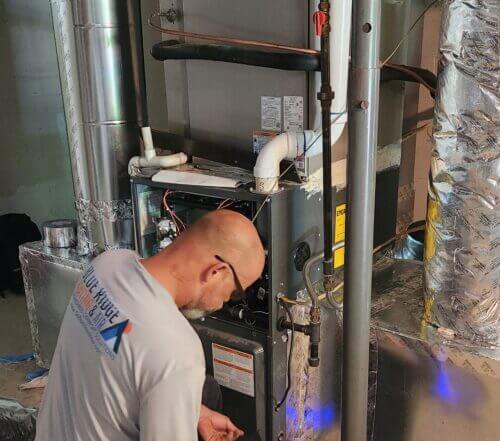
Mark: Yes sir. The heat, the, you have heat strips that would be at the top of that indoor right there. They’re sitting at the top and then you have a blower wheel that rotates and pushes air through the house. And then below that, where you see those copper tubes and that drain, that is where the coil sits. And that’s.
2: What’s the unit underneath that says Blue Bridge? What’s that?
Mark: That right there is a, it’s a filter. So this is uh a whole home filter. So you have, this is a AprilAire product that we have. It just slides in and slides out. This is, it’s a Merv 11, you can get on Merv 13, Merv 16. So the higher the Merv number, the more it will collect and catch from going into your system.
2: So that comes standard or is that an option?
Mark: That is an option. It is, you can add that on ah if when you purchase, you can add that on, you can add this on to any piece of equipment that you have. If you have like the room and the size and stuff, it’d be one of those things where you just have to have someone come out, look at it and say, yes, we can slide this because this box here is like one piec and you have to tie it into this and also do your return.
Guest 3: But all of the heat pumps that we have, have the filter, right?
Mark: That, well, correct. They should. Yes. They don’t all look like this. You may have one in your wall or in your ceiling and you got to pull the like little tabs. It pulls down and then you have your filter that you change. They’re usually a one inch filter that go in there in place. Those have Merv ratings as well. But like I said, the Merv rating, the higher the Merv rating, the more filtration it will do.
3: My filter is about five inches deep. And I guess it’s on the inside of the house underneath. It’s directly from the outside, because I never change it. The tech always comes in and changes the filter. It looks like that.
Mark: Okay, yeah. So you have, in some of these are, they’re also kind of more like in a box. It looks like a one inch filter, but it’s a thicker filter. That’s almost the same as this. We really like this filter because of the way the fins, when you close this door, you know that there’s nothing, any gaps coming through here. It’s filtering it as well. The ones that have the box. doesn’t allow that, they’re very effective in what they do. So usually the thicker filter will allow you to have more time before you change them out. So you can get six months to a year out of these. The smaller ones, I would say 100 % of the manufacturers say to change it out once a month. Those are the different options with the filters.
1: I was told that I have that, but then I also had you may call it the intake?
Mark: Right, so you probably have something like that and then something in your house.
1: In the house, and then the guy who installed the system said I didn’t need the ones that were in the house, that that one is sufficient.
Mark: That’s correct. If you think of the HVAC system as a whole, you have these limits. Pete was talking about eight inches of water column. So that’s kind of like it’s static pressure. And what that means is if you take a run and you push air through it, how much of that is going out and then kind of bouncing off and coming back in? So with the filter, the way you wanna look at it is if I asked you to go run a mile as hard as you could run, and then when you come back, I say, here, put this mask on your face and run that mile, which way is gonna be easier to breathe with or without the mask? So it’s gonna be easier to breathe without the mask. So there is, you do have to be careful with how much restriction is going into that system. So you can over filter. Right, as that filter collects all the dust and everything in your house, it gets clogged up, right? And that will start to bring that static pressure. That’s why it’s important to change your filter regularly. But yeah, you can have, it’s okay in some cases, like it’s really a tech question to go, hey, can I leave these filters in my house and that filter? Because you want to make sure, yeah, you can. Leaving that filter in the house will help prevent it going through the duct work, but you don’t want it to be too restrictive.
1: Too much air restricting the airflow.
Mark: Right, right. So you can step the MERV down to help with picking up the bigger particles that go into that system. But if you have too much restriction, it can hurt the system as well.
Pete: All right, any other questions? All right, let’s talk about dual fuel number two here. Does anyone here have a gas furnace at their home? We’re all heat pumps. Some folks, you do have gas furnace?
2: I have a heat pump now, but the gas company just put gas in my area, so I’d be curious to hear.
Pete: So you can do what’s called a dual fuel or some folks call it a hybrid system. The way that works is heat pump heats your house most of the day and most of the evening until you get below say 40 degrees, and then if you’ve got the gas furnace the gas furnace would kick in to give you the backup heat say where right now your your heat strips would do that.
2: So this unit would be able to accommodate both fields?
Pete: Yes sir.
2: Another person told me that I have to change out my furnace to gas, and that got real complicated, real expensive.
Pete: Right. So you can add a gas furnace and put a Arctic Flex coil with it. So you’ve got heat pump, air conditioning, and then gas furnace for when you need backup heat. The thing with the Arctic Flex is you’ll probably never need the backup heat because we don’t really get around 22 below zero.
2: So when would the gas kick in if you had that?
Mark: So you can, with the control from the thermostat, you can go into that thermostat and pretty much set that number to whatever you want. And that’s more of a preference. If you wanted to, you know, we got to six degrees here last week and the thermostat showed six degrees outside and we were humming along at 72 degrees. So in that case, it’s really up to the homeowner. Some people are cooler in nature and want that real hot heat. So we can set that at 40 or 45 for that gas furnace to come on. But then you can also set that as low as the program in that thermostat will let you to 30 degrees, 20 degrees.
2: So obviously I’d really rather the gas kick off than the heat strips.
Mark: So if you have a gas furnace, you don’t have the heat strips at that point. You either have the heat strips or the gas furnace yes sir.
Pete: Okay, moving along. So part four, why did Blue Reeds choose to adopt this heat pump? Price point. We found that the innovative features compared to its price was a no-brainer to adopt. The Arctic Flex boasts up to 18 seer with a 10 HS-PF2. Help me with that, what does that stand for?
Mark: So do you want the sear, you have a sear rating and then you have your HS-PF. SEER is Seasonal Energy Efficiency Ratio. That’s what SEER stands for. What that means is that’s the of the cooling side, your AC mode. And then you have your HSPF, which is Heating Seasonal Performance Factor. And that is a rating for your heat side of things. So if you think about the higher the number, the more efficient that system is. So seer, it correlates with AC and your HSPF correlates with your heat. The higher number, the more efficient.
Pete: And the Arctic Flex both up to an 18 sear and a 10 HSPF, which fits right squarely in the middle of our price book. We’ve got an economy option that would be around 14, 15 seer. And then we’ve got the 18 sear, which would be your mid. And then we’ve got the premium, which would be around a 22 seer as far as efficiency goes. And so this 18 seer fits right there in the middle of the price book. The 22 seer can be a couple of thousand more. So this 18 seer will meet your needs and not break the checkbook. That’s why we chose it. In conclusion, they’re perfect for our climate and our energy. They’re very energy efficient. Plus, we already have a customer raving about the comfort provided in the unit. We’ll show you video of that in just a few minutes. The warranty on this, we found that the features compared to the price is a no-brainer to adopt. It fits squarely in our price book. The replacement warranty goes so you get two years of major component failure for the outdoor unit, 10 years parts, and a 10-year compressor warranty and then 90 days labor warranty. And there are other warranties that we can add to that as you like that are optional up to 10 years.
2: So is Duke offering any rebates on the switch for this unit?
Pete: Duke does offer rebates for going with the seer, the higher seer. Yes, sir. It’s a better rebate if you replace your unit early, as compared to if you replace it if there’s a critical failure where you’re having to do it. And I’ll get into that. There’s also tax credits available for going with the higher SEER ratings.
1: I just filled out a form for Danny Kilpatrick. Is he here today? Danny Kilpatrick?
Pete: Danny is not here today. No, sir. He’s down in our Greenville office.
1: I mailed them that form and I mailed it here. So, yeah.
Pete: Right, yeah, they would have got that to him so he can get everything filled out for you. Did you have a question?
3: Yeah, I’m just a little confused. Are you saying that when you buy this, there are three different models that come in different efficiencies?
Pete: Oh, no, sir, no, sir. That’s not what we’re meaning. We’re just comparing it to the other other models that we have we’ve got Armstrong’s that that can go as high as 22 seer, or American standards, or we we’ve got the Arctic flex that’s right there in the middle of about 18 and then we’ve got some economy Models that are around 14 to 15 sear that are other brands
3: So then choosing between them would be what you’re what you’re facing, with the climate where you’re located. In other words, you’d want a bigger seer if you had a colder climate, that’s it.
Pete: All of them will heat and cool you just fine, whether it’s the 14, 15 seer, or the 22 seer. The sear is just like your miles per gallon. So the pickup truck that gets you 11 miles to the gallon will still get you across town. But the Prius that gets 40 miles will still get you there, just more efficiently. Does that make sense?
Mark: Yeah.
Pete: Any other questions? Did you have one in the back? Yes sir.
1: Oh, the Duke rebate I was getting is $600. Okay. Just FYI.
Pete: $600 you can go buy steaks or put it towards your unit. This Duke gives it they don’t have any stipulations. And so there we are at the question and answer. Do we have any other questions? All right, we’ll move right along.
So let’s talk about tax credits. Under the Arctic Flex umbrella, some of the units based on tonnage don’t qualify for the tax credits through the federal government. They’ve always been pretty tough to meet, but January 1st, they had already raised the level. So every year, to get the tax credit on a new system, it’s going to get harder to get because they’re raising the standards. You know, it was what, 15.2 last year and now it’s a little better than 17 to get there now. So on the Arctic Flex, the one and a half ton, the two ton, and the three ton units are eligible for tax credits from the federal government, which usually equal up to about $2,000 in tax credits. The two and a half ton, the three and a half, the four and the five ton, unfortunately they don’t have the efficiency to qualify. They’re still efficient and still very good units, they just don’t qualify for the tax credits. So one critical thinking that Baily put in for us, will the tax credit be available during the new administration? So far the new administration is discussing removing the electric vehicle tax credit, so they may end up eventually taking out the energy efficiency tax credit. There’s something to think about.
So we know this question is coming. Does it comply with the refrigerant changeover? We talked about that at our last class. So the EPA is mandating on January 1st that all the new manufactured heating and air conditioning units are to be manufactured to be used with R454B or solstice. There’s plenty of units out with the R410A and so we’ve got both. We’ve got availability to get both right now. The warehouses are full of the ones still with the 410A and the 410A refrigerant will be available. They’re going to be manufacturing it through 2036. So anything with the 410A is not going to be obsolete. Just in 20 years, it’ll be hard to get a refrigerant, but right now we’re good. Got anything to ask?
2: So is there a difference? Because I know you guys did some work on my unit last year to get the refrigerant that was a major cost to recharge. Is it cheaper or more expensive before they get rid of the old stuff?
Mark: The question is, is the new refrigerant cheaper than the old stuff? Like Pete was saying, as we get closer to that 30-36 mark and then they stop manufacturing it, 410A is more than likely just from the past experience will probably creep up in price as it gets closer to 2036 um because they will move that 454B into effect. They did this for the R22. R22 systems, they don’t manufacture the refrigerant anymore, so it’s super, super expensive for a pound of refrigerant. 410A came into place. kind of, the 410A was a price and then as the years went on, R22 increased a lot. Kind of supply and demand, right? They stopped making it. If the supply is high, the price is going to be high.
Pete: Final thought, at Blue Ridge Heating and Air we prioritize introducing new equipment into our inventory which will help our client with their comfort and saving money. As our valued customer you deserve the best equipment and should avoid hassle free service. Just call Blue Ridge Peace of Mind and we have the peace of mind.
2: So how long has this manufacturer been in business?
Pete: MoovAir has been in business… Do you know how long that’s been?
Mark: That is a question. That is a very good question.
1: Medea is the people who manufacture it. They’ve been in business for like over 70 years.
Mark: Yeah, Medea, yes. Yep, Medea has been forever.
Pete: Now Baily, how do we get to the video there?
Mark: Yes sir?
Guest 4: We have two different thermostats upstairs and downstairs. We have one that will have a whole house of warm drinks…
Mark: So we are in the process. There has not been anything. Some people say that you can run it. Some say you can’t. And I’m just being super transparent with you right now, right? So we are in the mix right now because I had talked to you earlier about the move air. We are trying to get a go ahead yes. We’re trying to figure out why you couldn’t do it. um But there’s things in place that we are looking towards to answer that question with 100% yes we can zone a system. It’s, there’s too many unknowns yet. One person says yes, one person says no. So they have to like narrow that down, zero that down. And as soon as we know that, then we will absolutely let you guys know that you can or you can’t.
Guest 5: Kind of on that same topic on the thermostat compatible: It talks about there’s one in the box, but then it also says you can buy, you can purchase the universal one. So, does the one in the box do what it needs or is it recommended to get a different one?
Mark: So the one that comes in the box, there’s some downside to it as far as it’s pretty much a plug and play. So you would take and plug into the thermostat, run that wire to the unit and there’s a plug for that and it communicates, talks to the system. The problem with that is the cord is only 20 foot long. You can’t cut this cord to splice it, nothing that you can do. So you’re maxed out at 20 feet, and a lot of people are not in that range. Yes, these systems are very compatible with a lot of different thermostats. Now what we’ve found is there is a T10, it’s a Honeywell product, T10, that thermostat will allow the equipment to do everything that that piece of equipment can do. You can take, and this goes for anything, any unit. If you have a thermostat that allows it to do all these controls then you get the full benefit of that thermostat in your system. So we recommend the T10, but yes you can put other thermostats with this piece of equipment.
5: And with the T10 can you, like, sync it to an app or will it be like the most up to date?
Mark: Right. That is correct. So the question was can you use the T10 and have an app on your phone to control the thermostat? The answer to that is yes that thermostat does a whole array of things that you can do in there. It’s actually really neat after this if you guys wanted to go we have a t10 on the wall in there and we can look at it. I think the functionality of it is super easy to use, and I think it looks neat with the way they use the coloring and stuff on it.
5: One more question. On the advanced dehumidification mode, does this dehumidify as well or do we get a different unit to do that?
Mark: So this system does have dehumidification capabilities. Pretty much it’s in the programming of that thermostat like we were talking about. You can set it up to where the equipment- What it does is it runs longer so you can pull more moisture out of that house. Any HVAC system is not a dehumidifier within itself, right? But the system, the longer that system runs, the more moisture it can pull out of the house. Once that system stops, it’s not pulling any more moisture. So yes, it does have the control to do so. Will it solve all your problems? I wouldn’t say 100% yes. That would be an instance of let’s run this system and then if we need to add a whole home dehumidifier, that would be a separate conversation. But we could set that piece of equipment up to dehumidify the most it could do.
5: Thank you.
3: Can you add a humidifier to it?
Mark: That is, so I mean you can add a humidifier to the duct work absolutely, 100%. And that may be a whole other topic because they have so many different ranges of humidifiers that you can install into that piece of equipment. But absolutely you can put a humidifier in there.
2: Getting back to the thermostat issue there. The problem that I had in my house, I have two stories, I have one heat pump that you take care of. And I was having a little trouble upstairs, where my bedroom is, in terms of the amount of heat or the amount of cooling because, it’s a further push, I guess. Anyway, so the solution that you suggested was this smart ECHOBEE thermostat, which they put in a few weeks ago along with these little sensors that go in the rooms upstairs to equalize the amount of heat and air conditioning. And they seem to work, seems to have helped that problem. My question then is with this system, do I start all over or does it work with what you just put in?
Mark: So this system, you can keep your Ecobee and still run off of those sensors. In the T10, in that case, it also has a sensor, which I’m happy to show you as well. Sterling is in her office and she’s usually a little cooler than everybody else, so we put a sensor in her office and I just go on there and change the thermostat to read the sensor. So it doesn’t necessarily read where that thermostat’s at, it is reading the sensor instead. Same thing with your Ecobee, right? So instead of reading where that thermostat is at, you can place those sensors and run the temperature off of those sensors. So the question, do you have to change everything? No, you do not have to change everything. You could install the Arctic Flex and continue to use the Ecobee and your sensors. Or if you’d like, you can use the T10 and it has a sensor as well.
2: Just one other thing: I don’t know how old my heat pump is to tell you the truth. I’ve been here in Conestee for 13 years now and it was there. So that’s what I have. Do they have, like, serial numbers that you can me how old it is and what the average lifespan of these things are?
Mark: Yes, sir. There is a model and serial numbers on all the equipment. As long as it hasn’t faded, you know, then we can read that age of that system.
2: You have that on your records here?
Mark: If we had serviced the house or did the install, we can try to find out absolutely if…
2: No, I don’t think you installed it, but you’ve been servicing it.
Mark: Right. I don’t know. I mean, after this, I’m not sure who you are. I can look you up and see if I can look at the pictures and tell you what the age of that system is. Up in this area, in this region, heat pumps are, the lifespan of a heat pump is probably around 12 to 15 years. Now, we’ve seen them go beyond that, and a lot of that is due to maintenance. And some of that is due to people don’t live here full time. So they’re not using their system full time. So there is a balance, but I would say average 12 to 15 years. At the 10 year mark, we found that you’re starting to put major repairs, which is major money into a HVAC system. But as far as the lifespan of a system, you’re probably looking at 12 to 15 years.
5: So back to the sensors, so if you had two sensors in different parts of the house, you could do one temperature that would sense both rooms or could you do two different temperatures on?
Mark: So what the sensor does is it gives you an option to run off the thermostat, run off the sensor, or do an average. So if you had multiple sensors through the house, you could take an average of all those sensors, and then that’s where you draw your temperature from.
5: And then on the remote control piece, there would be one or the other. be to go to the sensor or the thermostat or the remote control.
Mark: Whatever you designate that to do. So with the control, um you have to be, it’s not like you can be upstairs and click it while your unit’s downstairs. It will not read that. You pretty much have to be on to the system to make that control work.
1: I happened to take a picture of the panel that shows the date of the, if you’re looking for the date of a system, it’s right on the unit. Right-
2: It’s dated?
1: Yeah, the dated is like, manufacturer date.
2: Oh, okay. And this is on the outside unit? Outside of the one, of the outdoor unit, or? Do you have to take anything apart to see this?
1: Nope, it’s right on the outside.
2: Oh, okay. Never mind. All right, thank you.
Mark: Some units do offer that, where they have an actual date on there. But not all units do. Sometimes you have to decode that within the model serial number to get it. So like I said, I have no problem. You know, I’ll look it up and see if I can find a picture in there for you and let you know what the age is.
3: Have you installed any of these recently?
Mark: What the Arctic flex? Yes. Yes. This was the first one we installed and then we’ve got three more up here that we’ve installed. And then how many?
Pete: About three down in South Carolina.
Mark: Three down there and still have sold some.
Pete: We got some more to install. And I’ve got a testimonial from someone around, somebody here.
Mark: Yep, that we did.
Pete: So we’re fixing to play that for you.
3: And you adopted this, what, a month and a half ago?
Mark: Right. Yeah. Right. So this is, I mean, I’ll tell you, if I was gonna pick a system, Arctic Flex would go in my house immediately. You have a heat pump that delivers furnace heat, if that makes sense. The reason why we installed this is because I wanted to put it to the test. I wanted to make sure that what this is saying is what we’re claiming, right? And I’m telling you, when it was six degrees outside, it was 72 degrees in that office and it felt hot. It was… I’m super impressed by it, super blown away by it. I would absolutely 110% have one of those in my house. I don’t own my house, I rent. But there would definitely be one in my house for sure, 100%.
1: Okay so like two weeks ago? I’m just here to learn.
Mark: Absolutely, absolutely!
Pete: Glad to have you.
3: So if I was installing, say, I’m at a two and a half ton unit. So if I replace my, pricepoint, if I install an ArcticFlex versus a Carrier something, is it similar pricing?
Mark: I don’t know what the pricing would be on a Carrier. That is dealer to dealer. I think what you would really want to look at is the seer rating.
3: Typically about the same seer rating. Is the price similar? Just curious.
Mark: I imagine that it’s probably gonna be pretty close for a seer rating in that. But you also wanna look at the functionality of that. One of the biggest benefits to this Arctic Flex is you’ll never probably ever use your heat strips. Even with a 22 seer system, when it gets to that threshold of 40 degrees, that heat pump drops out significantly and your heat strips come on, which is pretty much the easiest way to explain that is probably a toaster. When you push down your toaster and you see the lights light up, that’s pretty, it’s a toaster on steroids, if you would. But that draws a lot of amperage, a lot of amperage. So if you have uh a 10kW heat strip in your system, you’re pulling 48 amps, why that thing is running. So that meter is just gonna sit there and wind up. This is gonna go down to four degrees and it’s not even a think about using the heat strip. So it’s phenomenal. Any other questions before we watch this?
Video: Arctic Flex testimonial. David, I thank you for letting us to come over here and talk to you about the new system you just got. I know it’s been in less than a month, but I’d to know what your thoughts on it are. Do you like it? Are you pleased with it? what’s your input from this?
I think the best way to describe it is I compare it to the system that it replaced. I had a two-stage unit in here before that would either run at 50 % or 100%, depending on the demand at the time. And there was quite a bit of noise with the unit, both from the compressor side outside, which was near the living quarters, and then also from the air handler, from the air coming through the vents. There was a lot of velocity going on, particularly when it ran at 100%. And it did a lot of that in the wintertime, because here it gets down into the 40s and 30s to make it go to 100%. I didn’t know what to expect. I had heard, uh thanks to your seminar that you had at Blue Ridge, I had heard that there was going to be a refrigerant change, and I needed to consider making a change before then. And so when I came and you showed the new Arctic Flex system that you had installed in your shop, and we talked about it a bit, it piqued my interest. Well, subsequent to that, I came back and within a couple of weeks, the two-stage unit went on the blink. I lost heat completely. And so I was on the phone to get more help, more than anything, and I got good advice and we went ahead and ordered the Arctic Flex system. I was particularly interested in getting one while I could still get the 410A system because I could get it cheaper than I could after the first of the year. And it sounded like you all were going to be able to install it pretty quickly. But after it was in, and it’s been two weeks, two days that the unit’s been in, I’m very impressed with the unit. And comparing it to the other heat pump system, this one is head and shoulders above any heat pump system that I’ve ever had.
So you notice a big difference in the heat coming out.
There’s definitely a difference. It is a warmer air, it heats more evenly, and another plus is that does it at a lower velocity. The unit, because it has a what we would call a modulated compressor, but also the speed of the air handler must be affected by that too, because it’s not blowing as much air out the vents. as it used to, and it runs for a shorter period of time to satisfy the temperature. So it’s got a lot of plus factors that put this head and shoulders above the standard heat pump systems.
We were also able to hook this up without any doing any duct modification. Is that correct?
That’s what I understand. There’s probably some things we’re going to be talking about in the future, maybe about some ah dampers, things like that. But I’m pleasantly surprised at the evenness that we’re getting now without touching any of that. And so it’s perfectly livable now, perfectly comfortable. I’m able to run at a higher temperature in the house than I normally would with the older heat pump system because it ran for so long to satisfy the temp before. I would run it around 68, 69 degrees. I’ve got this one in the 70s now. and it does not run long to satisfy and it makes it a lot more comfortable.
So everybody’s happy?
Everybody’s happy.
So do you have any, going the other side of it, the other side of the coin, do you have any negatives about it?
The negatives I have about it are so small. It’s just me getting used to it a little better because of the, because of the, where we live is so quiet. I guess I’m more sensitive to noise and so unable to hear the unit that runs differently, but not so much that it is aggravating at all. The outside unit makes such a lower fan type noise. I hear no compressor noise at all from it. But I pick up the fan noise only because the condenser is near the living quarters and it is lower like the wind is blowing a little bit. And 80% of the time, we can barely hear the air coming out the vents. Excellent. When it really gets cold and the compressor runs at a higher speed, it does increase the velocity in the vents, but never to the stage that it did when the normal heat pump ran at 100%.
Excellent. Good. I don’t have any more questions. I think we’ve talked a lot about different things even prior to putting the video on. I thank you for your time. Thank you. Allow us to come over here and do this to promote this product. Thank you, sir. We appreciate it.
Thank you, Brian.
4: Where does this person live?
Mark: They’re in, they are in Conestee. Yes, they are. Man, I know exactly where his house is. I can see it. What are those condos up there at the top? Toccoa? Yeah. Yep.
4: Oh, okay. So, that unit looks, is it extra large? I don’t think what I was looking at there where he was standing. would fit everything I have either outside or it’s in the crawl space. That looks awfully big.
Mark: So the size of the unit, they’re pretty similar to what we’d be pulling out to be honest with you. But our process as a company for Blue Ridge is we would send a sales consultant out or if a tech is there and you ask for an estimate on this equipment. What they would do, they’re gonna take measurements, they’re gonna take all that stuff into account, they’re gonna look at all that stuff and we may have to adjust some things, we may have to maybe add on to connect to the supply, it may be shorter than the unit that’s there before and if it’s longer then we may have to cut something or move something in order to fit it in its place. You guys have any other questions?
3: Are these available? How long do you have to wait?
Mark: We are, I’ve never had, I normally have, I’ll put the order in and then within two days it’ll be here, right? There’s no shortage on these guys.
1: I mean, they installed mine and they came in about 10 o’clock in the morning and they were gone by three or four at night. Pretty quick.
Mark: Yep.
Pete: Well, thank you guys for coming.