2025 Thermostat Guide: Smart, Programmable & Manual Options Explained
Your thermostat might be the smallest device in your HVAC system, but it has one of the biggest impacts on your comfort and energy bills. That’s why knowing how to choose and use the right thermostat matters so much in 2025.
The market has expanded with new technology, smarter features, and a range of options to fit different lifestyles. From Wi-Fi-enabled devices that learn your habits to simple manual models that just get the job done, the thermostat you pick should match how your household lives. Let’s take a closer look at the most common types of thermostats and which one may be right for your home this year.
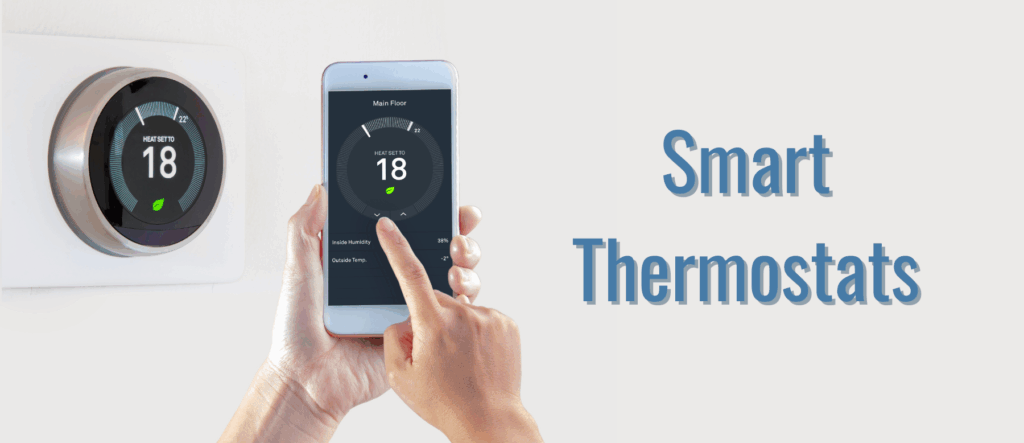
📱 Smart Thermostats
Smart thermostats have transformed from luxury gadgets into energy-saving essentials. These devices connect to Wi-Fi, allowing you to adjust your home’s temperature from your smartphone, tablet, or even by voice command with smart assistants like Alexa or Google Home. Other features include:
- Geofencing – adjusts your system automatically when you leave or return home
- Room Occupancy Sensors – focus heating or cooling where it’s most needed
- Energy Reports – show you how your settings are impacting your monthly bills
The real benefit of smart thermostats is their ability to “learn” your habits. Devices like Nest can track your preferred settings over time and build a schedule that keeps you comfortable while optimizing for savings. This means less manual adjusting and fewer wasted energy hours. For busy households with varying schedules, smart thermostats are an excellent option to ensure your home is always at the right temperature without you having to think about it.
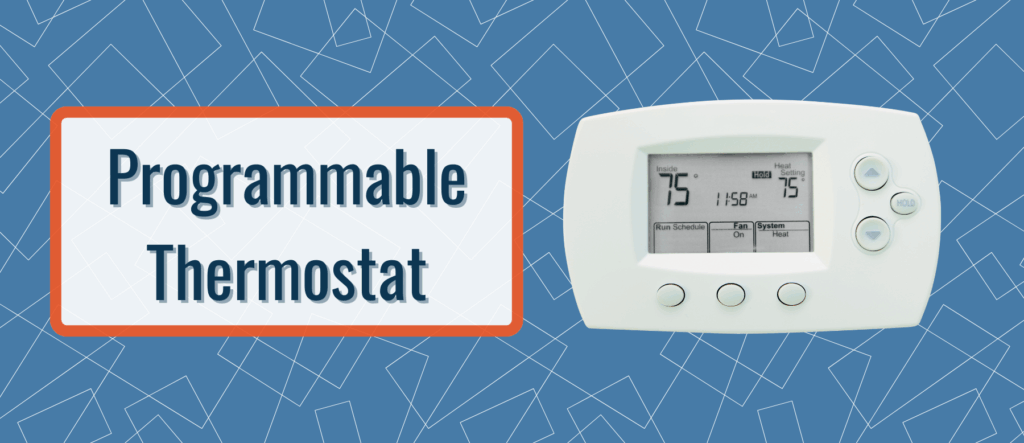
⏰ Programmable Thermostats
If you don’t want the extra “tech-y” features of a smart thermostat, a programmable model is a reliable and cost-effective choice. These thermostats let you set heating and cooling schedules based on the time of day or week. For example, you can program your home to be one temperature during work hours and adjust to a different temperature just before you get home. This prevents energy waste while keeping you comfortable when it matters most.
Programmable thermostats are especially effective for households with predictable daily routines. They don’t automatically learn your habits like smart models, but they still offer a great way to save money without requiring constant attention. Plus, many newer programmable models are easy to set up and adjust with digital screens, making them user-friendly even if you’re not tech-savvy. If you want efficiency without paying for advanced smart features, this option strikes the perfect balance.
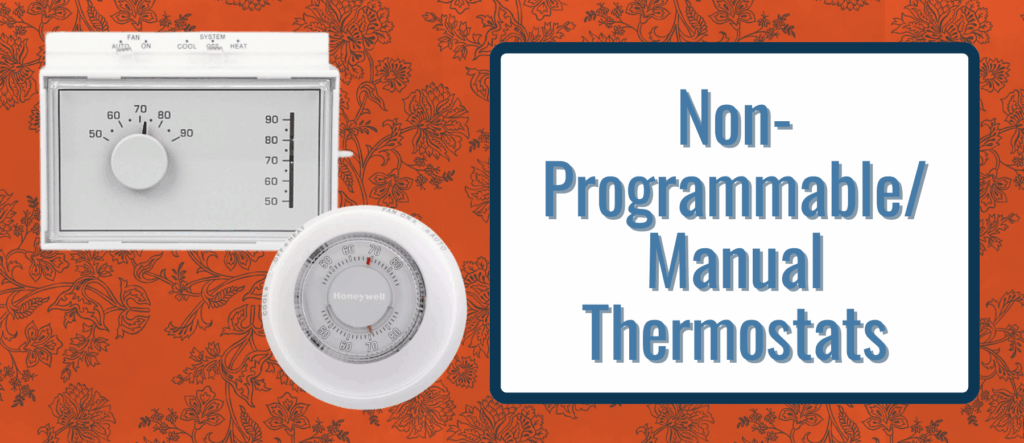
🎛️ Non-Programmable Thermostats
Non-programmable (manual) thermostats are the most straightforward option. With these models, you simply set the temperature you want and adjust it as needed. They’re affordable, reliable, and easy for anyone to use without schedules, Wi-Fi connections, or learning curves required. For homeowners who prefer full control and don’t mind making manual adjustments, manual thermostats are a solid choice.
These thermostats also work well in vacation homes or spaces where heating and cooling needs are minimal and consistent. However, the trade-off is that they don’t provide the same long-term energy savings as smart or programmable models, since they rely entirely on you remembering to change the settings. But for those who value simplicity and low upfront cost, non-programmable thermostats remain a popular option.

❄️ What Should I Set My Thermostat To in Fall and Winter?
One of the most common thermostat questions we hear is: “What’s the best temperature to set my thermostat in the winter?”. The quick answer is: it depends.
If you have a furnace or use gas, it’s best to “set it and forget it”, but if you have a heat pump it’s best to make small adjustments seasonally. The smaller the difference in temperature is between your home and outside, the lower your overall bill will be. However, it’s also important to know that your system works harder when you have it jumping many degrees multiple times a day. A good starting point would be 70°F in the warmer months, and 68°F in the cooler months.
Every household is different, and comfort levels vary. Some people may prefer a slightly warmer setting during the day or cooler settings at night. The key is consistency and avoiding changing your thermostat by large amounts frequently, which can cause your system to work harder. Smart and programmable thermostats can take the guesswork out of this by automating temperature adjustments, while manual models simply require a little extra diligence.

🏡 Which Thermostat Is Right for You in 2025?
Choosing the right thermostat depends on your lifestyle and comfort preferences:
- Smart thermostats are best for tech-savvy homeowners, families with varying schedules, or anyone who wants maximum energy savings with minimal effort.
- Programmable thermostats work well for households with regular routines, offering strong savings without the cost of advanced smart features.
- Manual thermostats are best for those who want simple, no-fuss control at the lowest upfront cost.
No matter which thermostat you choose, pairing it with proper HVAC maintenance is the best way to ensure reliable performance and comfort. A well-tuned system combined with the right thermostat settings will deliver the best results for both your home and your energy bill.

🏡 The Bottom Line
Your thermostat is the command center of your home’s comfort system. In 2025, the options are smarter, more efficient, and more accessible than ever. Whether you choose a cutting-edge smart thermostat, a reliable programmable model, or a simple manual unit, making the right choice for your household can save you money and keep your home comfortable year-round.
Heating and Cooling Issues? Click Here!
Curious what working with us looks like?
Check out our case studies complete with photos and insights. See how real-life homeowners like you tackled HVAC challenges with help from Blue Ridge Heating & Air.
📞 Want to learn which thermostat is best for your system?
Schedule a free comfort consultation with us today—no pressure, no pushy sales tactics. Just good folks helping you stay informed and save money.
✅ Get a quote
✅ Get it done right
✅ Sleep better