
Replacing a Failing HVAC System in Taylors, SC
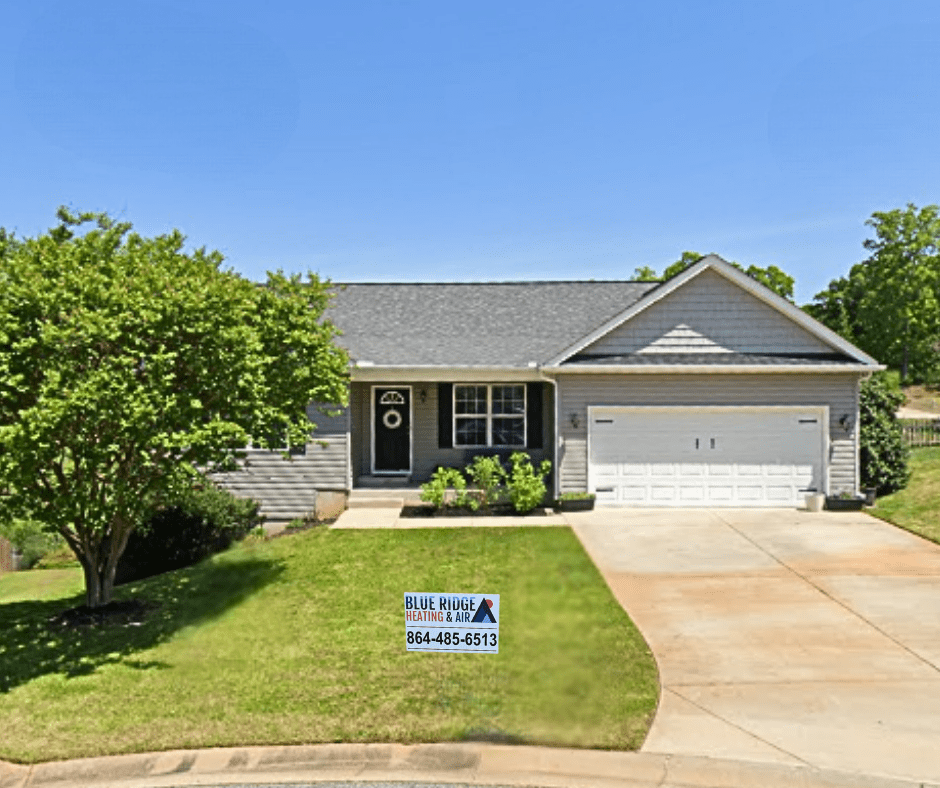
One Unexpected Failure. One Big Decision.
When a Taylors, SC homeowner’s HVAC system suddenly stopped working, our technician quickly noticed an unusual noise coming from their HVAC system. By following the noise, he realized the unit was showing signs that it was near the end of its life.
Problem:
A locking compressor making the HVAC system fail.
This typically means:
- Electrical Locking (Locked Rotor Amps – LRA): The compressor tries to start, but because of worn motor winding or resistance, it creates too high of a current.
- Mechanical Locking: Internal components get stuck due to wear, overheating, or lack of lubrication meaning the motor can’t rotate the compressor mechanism.
- Overheating and Burnout: Internal insulation and oil are broken down due to excessive heat and can result in a complete mechanical or electrical failure.
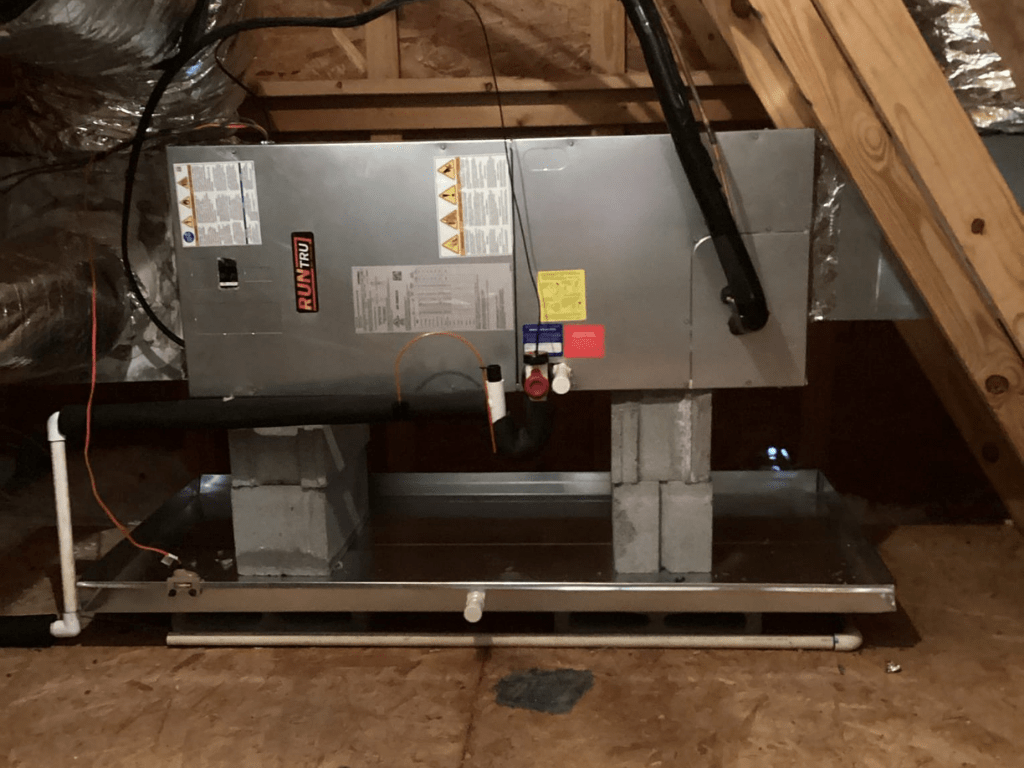
This serious issue can lead to high repair costs, contaminating the refrigerant lines with debris or acid, and (as this homeowner found out) no cooling/heating due to a complete system failure.
Solution:
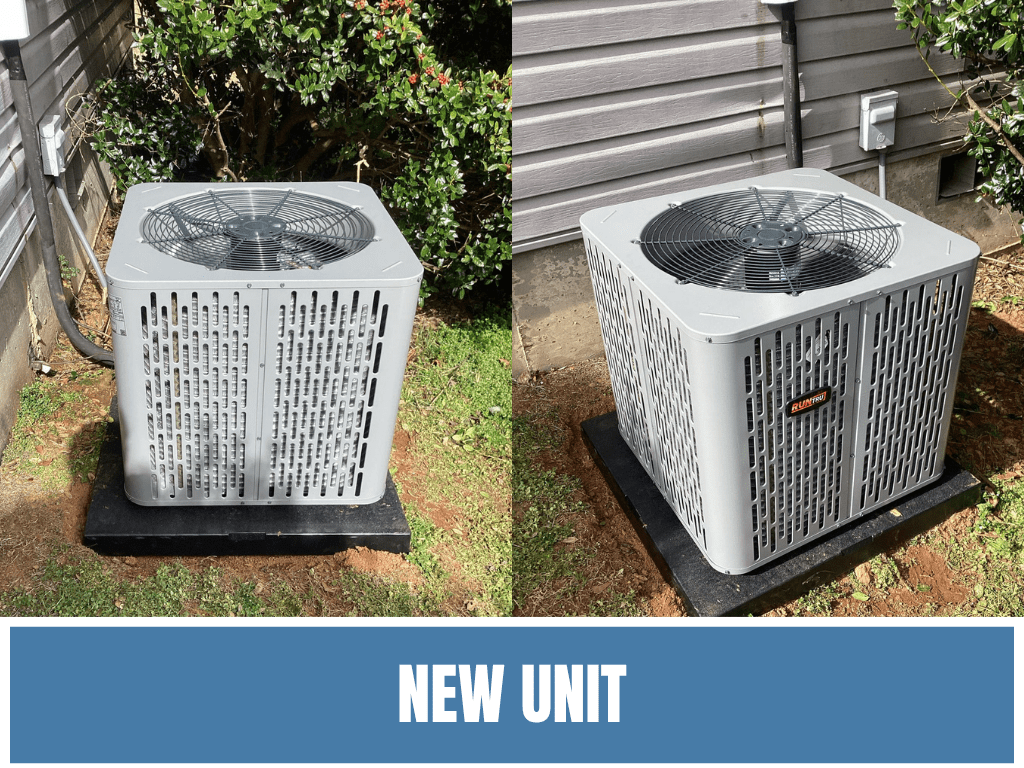
An entire system replacement featuring an Ameristar 14 SEER heat pump, matching air handler, and electric heater to restore full home comfort and efficiency.
📆 Install Date: February 18th, 2025
🕒 Time to Complete: 10 Hrs
💰 Total Investment: $10,475.00
Want to learn what goes into an HVAC quotes and itemized bill?
Why This Was the Best Choice
When weighing repair versus replacement, this homeowner learned the cost to replace the compressor alone was nearly half the price of a brand-new system. Choosing a full system replacement meant they would avoid additional aging-related breakdowns and energy inefficiencies common in older systems.
“Can’t You Just Repair a Locking Compressor?“
Yes, but it’s a little more complex than you think:
First, you’d need to replace the compressor, which involves:
- Recovering and disposing of refrigerant
- Installing the new compressor
- Flushing or replacing refrigerant lines and filters to prevent contamination
- Recharging the system
In some cases, if internal damage is severe, the system may also need a new coil or additional components. If a technician says you have a locking compressor, it’s often a signal to seriously consider replacing the entire unit, especially if it’s more than 10 years old or uses an outdated refrigerant like R-22.
“Are There Any Cases Where a Repair Might Make Sense?”
The short answer: sometimes.
If your system is less than 5 years old, still under warranty (parts and labor), there are no additional issues, or you’re planning to move soon and need a short-term solution, it may make more sense to repair a condenser. Ultimately, we would advise you to consult with a service technician to find the best solution for your home and wallet.
“Is Replacing Really That Much Better Than Repairing?”
1. 💸 Cost Comparison
- Compressor replacement usually costs 50–70% the cost of a new system.
- The compressor replacement for this homeowner was nearly half the cost of a new, more efficient system, making replacement the smarter financial decision in the long run.
2. 🕰️ Age of System
- A system that’s 10+ years old is nearing the end of its typical lifespan.
- Putting new parts in an old system is just “kicking the can down the road” eventually leading to bigger breakdowns in the future.
3. ⚠️ Warranty Void
- Your older unit may be out of warranty, meaning you’ll be paying out-of-pocket for all parts and labor.
- New systems like the Ameristar heat pump offer 10-year warranties on parts and compressors.
4. ⚡ Energy Efficiency
- New systems are more efficient (especially those with SEER2 ratings), and can significantly cut your energy bills over time.
5. 🌍 Refrigerant Compatibility
- Older systems often use R-22, which is now banned and extremely expensive to replace.
- New systems that use R-410A or R-454B, are more eco-friendly and easier to get serviced.
The Ameristar heat pump and multi-speed air handler offer reliable performance with solid warranties (10-year parts and compressor coverage), and modern systems like this operate more quietly and efficiently than aging units. Plus, this install included a complimentary year of our Blue Ridge Maintenance Comfort Plan, valued at $239, helping ensure long-term protection and upkeep.
Tips for Homeowners in Similar Situations:
1. Listen to your system. Noisy operation is a major red flag. Loud sounds, short-cycling, or frequent starts/stops can all point to failing internal components.
2. Know when to stop investing in repairs. A locking compressor is one of the most expensive fixes. If your system is aging or out of warranty, replacement may be the smarter investment.
3. Consider the long-term energy costs. Newer systems with SEER2-rated efficiency significantly lower monthly bills and reduce your carbon footprint.
4. Stay proactive with maintenance. Dirty filters, clogged drains, and failing parts are often preventable. A routine tune-up can improve system efficiency by up to 30% and extend its lifespan.
Think you might need to replace your unit soon? Check out our Homeowner’s Guide on HVAC replacements!
Want to Learn More?
Check out these blog posts:
🔧 When Should You Replace Your HVAC System? A Homeowner’s Guide
🔊 12 Signs Your HVAC System Might Be in Trouble
🧰 The Benefits Of Annual Air Conditioning Service
Unsure whether a repair or replacement is best for you?
Contact us to see your options!
📍 North Carolina: (828) 276-1385
📍 South Carolina: (864) 977-8562
🔗 blueridgeheatingair.com