❄️ Do Heat Pumps Really Work in Winter?❄️
If you’re considering a heat pump for your home in 2025, you’re not alone. Heat pumps are one of the fastest-growing home comfort solutions across the U.S. and especially here in the Carolinas. Thanks to new technology, eco-friendlier refrigerants, and better efficiency standards, heat pumps now deliver reliable comfort year-round—even on the coldest nights.
In this guide, we’ll explain how heat pumps keep your home warm in winter, debunk some common myths, and highlight why 2025 is the best year yet to upgrade.
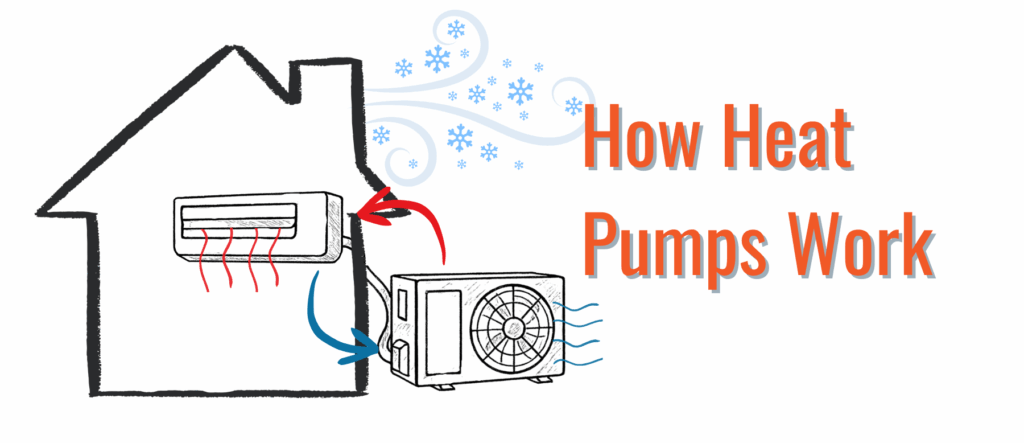
🔧 How Heat Pumps Work
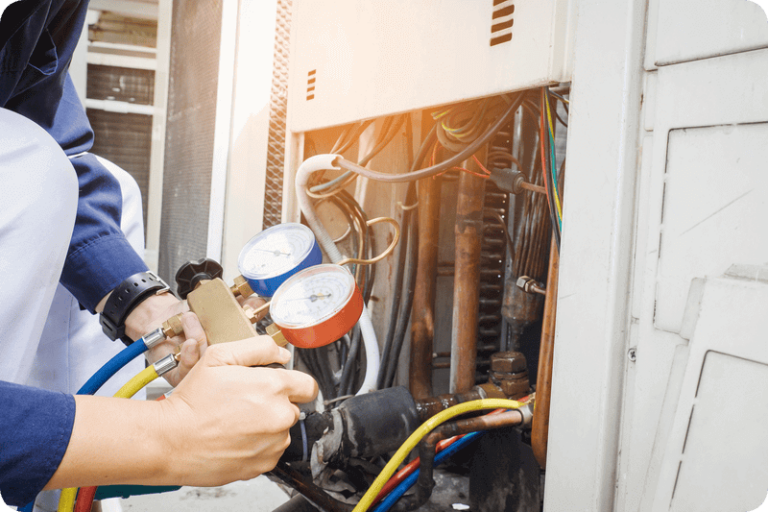
A heat pump doesn’t “create” heat, it moves it. Even when it’s cold outside, there’s still heat energy in the air. Using refrigerant, the system absorbs that outdoor heat and transfers it inside.
Here’s the step-by-step:
- The outdoor unit’s refrigerant absorbs heat from outside air.
- The refrigerant is compressed, raising its temperature.
- Heat is transferred indoors through the air handler or ductwork.
- The cycle repeats—efficiently and reliably.
2025 Update: Many new models now use R-454B refrigerant (also called Puron Advance). This eco-friendly replacement for R-410A reduces global warming potential by 78%.
Want to learn more about the 2025 refrigerant phaseout?

❄️ Cold-Climate Performance in 2025
One of the biggest misconceptions about heat pumps is that they don’t work in cold weather. That may have been true decades ago, but not anymore.
Modern cold-climate heat pumps:
- Operate efficiently at temperatures as low as -22°F.
- Use variable-speed compressors to maintain even comfort without constant cycling.
- Pair seamlessly with smart thermostats for automatic adjustments.
For North and South Carolina winters, these systems are more than capable of keeping your home cozy.
🛑 Myth-Busting: Heat Pump Misconceptions
“Heat pumps are too expensive.”
With new federal tax credits and state rebates, upfront costs are lower than ever. (We’ll talk about that in a bit.) Plus, energy savings add up every month.
“They don’t heat as well as furnaces.”
Today’s high-efficiency models provide steady, comfortable heat without the blasts of hot-and-cold air common with older furnaces.
“Heat pumps only work in mild climates.”
Cold-climate technology now makes heat pumps viable in northern states, so Carolina winters are no problem at all.
⚡ Maximizing Heat Pump Efficiency This Winter
Want to get the most out of your system? Follow these tips:
- Regular maintenance can reduce your heating and cooling costs by 5% to 10% and help your equipment last longer (U.S. Department of Energy, 2009).
- Change filters regularly to maintain airflow.
- Clear debris and leaves around your outdoor unit for proper ventilation.
- Sealing air leaks and adding insulation can help your home be more energy efficient by saving up to 10% on your annual energy bills (ENERGY STAR, n.d.).

💰 2025 Rebates & Incentives
There are more financial incentives than ever for upgrading to a heat pump:
- Federal Tax Credits (25C): Up to $2,000 for qualifying heat pump installations.
- North Carolina Smart $aver Rebates: Homeowners can earn up to $2,400 depending on the system installed.
- South Carolina Smart $aver Rebates: Rebates up to $2,500 are available for qualifying conversions and high-efficiency systems.
These savings, combined with monthly energy efficiency, make 2025 one of the best times to invest in a heat pump.

🏡 The Bottom Line
Heat pumps are no longer “the future”, they’re the present solution for efficient, eco-friendly, and comfortable heating and cooling. With advances in refrigerants, cold-weather performance, and smart technology, they’re perfectly suited for homes across North and South Carolina.
And with rebates and tax credits available now, there’s never been a better time to make the switch.
Heating and Cooling Issues? Click Here!
Curious what working with us looks like?
Check out our case studies complete with photos and insights. See how real-life homeowners like you tackled HVAC challenges with help from Blue Ridge Heating & Air.
📞 Need an honest review of your system’s performance?
Schedule a free comfort consultation with us today—no pressure, no pushy sales tactics. Just good folks helping you stay cool and save money.
✅ Get a quote
✅ Get it done right
✅ Sleep better
📚 References
- ENERGY STAR. (n.d.). Seal and insulate. U.S. Environmental Protection Agency & U.S. Department of Energy. https://www.energystar.gov/saveathome/seal_insulate
- U.S. Department of Energy. (2009). Guide to home heating and cooling. U.S. Department of Energy, Energy Efficiency and Renewable Energy. https://www.energy.gov/sites/prod/files/guide_to_home_heating_cooling.pdf