Top 5 Fall HVAC Tune-Up Tips to Improve Efficiency
As the leaves change and cooler weather comes through the Blue Ridge Mountains, it’s a sign to prepare your home for the heating season ahead. After working hard all summer keeping you cool, it’s time for your HVAC system to switch gears. A few simple fall tune-up tasks can improve your system’s efficiency, extend its lifespan, and even save you money on future energy bills.
Here are the top 5 fall HVAC tune-up tips every homeowner should know:
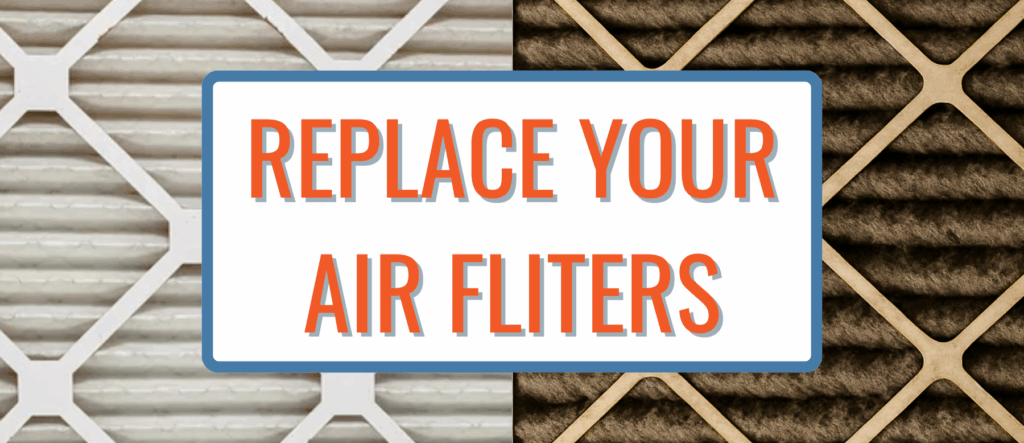
🍂 1. Replace/Clean Your Air Filters
A dirty air filter makes your system work harder than it needs to and can cut efficiency by up to 15%, driving up energy bills and reducing indoor air quality (U.S. Department of Energy, 2016). Pollen, dust, and debris build-up from summer can make filters clog faster which drives up energy bills and reduces your IAQ (indoor air quality). Replacing them every 1–3 months is one of the easiest and most effective ways to keep your system running smoothly.
Did you know?:
- Indoor air is often 2–5 times more polluted than outdoor air. (U.S. Environmental Protection Agency [EPA], n.d.)
- Poor IAQ can affect children’s learning and focus. (American Lung Association, 2024)
- A dirty filter can reduce HVAC efficiency by up to 15%. (U.S. Environmental Protection Agency [EPA], 2013)

🍂 2. Test Your Thermostat Settings
Take a few minutes to make sure your thermostat responds correctly by switching it from cooling to heating for a few minutes. Listen for the furnace to start, check that warm air is coming through your vents, and verify that the temperature in your home adjusts as expected. By doing this, you’re catching issues early in the fall instead of being left shivering on the first frosty night.
If you have a smart thermostat, fall is a great time to reevaluate your schedule. Shorter days and cooler nights usually means more time indoors in the evening. Even lowering your thermostat by 1–2 degrees can potentially reduce heating costs by up to 3% (U.S. Department of Energy, n.d.). Over time, that can add up to meaningful savings.
Features like geofencing, learning schedules, and remote adjustments can optimize comfort while lowering bills.

🍂 3. Clear Debris Around Outdoor Units
As beautiful as it is to see the colors change outside, fallen leaves, twigs, and dirt can easily build up around your outdoor unit in the fall. Think of it like breathing through a scarf that’s wrapped too tightly around your face. The harder it is for air to move, the harder your system has to work just to keep up. Make sure there’s at least 2–3 feet of clear space around your heat pump or AC condenser to keep air moving freely.
🍂 4. Seal Air Leaks Around Windows and Doors
If warm air is constantly escaping through cracks, gaps, and poorly sealed windows/doors, your system has to work overtime just to keep your home comfortable. That extra strain not only drives up your energy bills but can also shorten the lifespan of your equipment. That’s why fall is the perfect season for a “draft check” around your home!
When you get to a commercial break during your next football game, walk through each room and see if you notice any cool air around windows, door frames, or baseboards. If you have a candle or incense stick nearby, you can use it to spot leaks. If the flame flickers or the smoke drifts, you’ve found a draft.
Most air leaks can be solved with easy, low-cost solutions like weatherstripping, caulking, or door sweeps. Need a quick fix? Try adding plastic film insulation kits or heavy curtains to make cold nights a little more comfortable until you can get a more permanent solution. If you want to go the extra yard, consider a professional energy audit. These experts can zone in on hidden leaks in your attic, crawlspace, and duct work that may be costing you money.
You can save up to 15% on heating and cooling costs annually by sealing air leaks and adding proper insulation (ENERGY STAR, n.d.). It’s a small investment to keep your home warmer and more comfortable all season long.

🍂 5. Schedule a Professional HVAC Inspection
So, you’ve swapped your filters and cleaned off your outdoor unit. The last thing you should do is schedule a professional tune-up. Think of it like taking your car in for an oil change. You might handle basic upkeep, but a trained mechanic can catch the little things before they turn into costly repairs.
When you schedule a fall HVAC inspection, a certified technician will:
- Check for worn or failing components that could cause a breakdown when you need heat most.
- Inspect and clean coils, burners, and blowers, improving airflow and heat transfer.
- Ensure safe furnace operation, checking for issues like gas leaks or improper combustion.
- Calibrate your system so it runs at peak efficiency with balanced airflow.
- Spot potential problems early before they become full-blown emergencies on the coldest day of the year.
When scheduling regular professional tune-ups, homeowners can reduce heating and cooling costs by 5-10% and extend the overall lifespan of your system (U.S. Department of Energy, 2009). Some industry sources report that properly cleaning coils and other maintenance can yield even higher efficiency improvements. That means lower monthly energy bills, fewer emergency calls, and a system that lasts longer.

At Blue Ridge Heating and Air, we make staying on top of maintenance simple with our Comfort Maintenance Plan, which includes:
- Two system tune-ups per year (one before summer, one before winter)
- Priority scheduling during peak seasons
- Repair discounts to save money if issues arise
- Peace of mind knowing your system is protected and maintained by trusted local professionals
For homeowners, scheduling a professional inspection each fall is one of the smartest seasonal investments you can make. It protects your comfort, your budget, and your peace of mind all winter long—while supporting a local team that’s here for you year after year.

✅ Fall: The Perfect Time for HVAC Maintenance
Taking time in the fall to prepare your HVAC system means you’ll be ready for the first chilly night without surprises. A few simple steps now can prevent costly breakdowns later, when demand for service is at its highest. You’ll also enjoy better efficiency, improved comfort, and lower energy bills throughout the season. Most importantly, you’ll have peace of mind knowing your system is safe, reliable, and ready to keep your family warm all winter long.
Heating and Cooling Issues? Click Here!
Curious what working with us looks like?
Check out our case studies complete with photos and insights. See how real-life homeowners like you tackled HVAC challenges with help from Blue Ridge Heating & Air.
📞 Need an honest review of your system’s performance?
Schedule a free comfort consultation with us today—no pressure, no pushy sales tactics. Just good folks helping you stay cool and save money.
✅ Get a quote
✅ Get it done right
✅ Sleep better
📚 References
- American Lung Association. (2024, July 11). American Lung Association releases case studies showing clean indoor air improves student learning and health [Press release]. American Lung Association. https://www.lung.org/media/press-releases/fy26-iaq-schools-case-study
- ENERGY STAR. (n.d.). Seal and insulate. U.S. Environmental Protection Agency & U.S. Department of Energy. https://www.energystar.gov/saveathome/seal_insulate
- U.S. Department of Energy. (2009). Guide to home heating and cooling. U.S. Department of Energy, Energy Efficiency and Renewable Energy. https://www.energy.gov/sites/prod/files/guide_to_home_heating_cooling.pdf
- U.S. Department of Energy. (2016). Home cooling 101 (DOE/EE-1411). https://www.energy.gov/sites/default/files/2016/11/f34/HomeCooling101.pdf
- U.S. Department of Energy. (n.d.). Thermostats. Energy Saver. U.S. Department of Energy. https://www.energy.gov/energysaver/thermostats
- U.S. Environmental Protection Agency. (n.d.). Indoor air quality. U.S. Environmental Protection Agency. https://www.epa.gov/report-environment/indoor-air-quality
- U.S. Environmental Protection Agency. (2013, April). The inside story: A guide to indoor air quality. U.S. Environmental Protection Agency. https://www.epa.gov/indoor-air-quality-iaq/inside-story-guide-indoor-air-quality